
Infantry · December 1967 – November 1968, February 1971 – October 1971
3rd Battalion, Royal Australian Regiment
- Helicopter missions
- 37
- Contacts
- 287
- Operations
- 27
- Dead
- 30
- Australian wounded
- 167
- Enemy killed
- 319
 View unit in Battle MapView missions in Battle Map
Year by year #
287 contacts are recorded for the unit and sub-units, from 19 December 1967 to 1 September 1971. It was the unit in contact in 280 of them, and took part in 7 led by other units.
Unit actions #
In the contacts it led, by the task the report records:
| Task | Contacts | Share |
|---|---|---|
| Patrol | 101 | 36% |
| Security | 97 | 35% |
| Ambush | 41 | 15% |
| Bunker | 12 | 4% |
| Artillery and mortar fire | 8 | 3% |
| Mine incident | 2 | 1% |
| Transport | 2 | 1% |
| Air support | 1 | 0% |
| Attack | 1 | 0% |
| Not recorded | 15 | 5% |
In another unit's contact in 7 contacts led by other units: 3 Cav Regt (4), 1 Armd Regt (1), 1 RAR (1), LFT (1).
Operations #
| Operation | Dates | Contacts | Australians killed | Enemy killed |
|---|---|---|---|---|
| TAOR | 19 December 1967 – 5 November 1968 | 3 | 1 | 0 |
| Bordertown | 10 January 1968 | 2 | 0 | 0 |
| Coburg | 29 January 1968 – 28 February 1968 | 22 | 10 | 57 |
| Long Dien | 8 February 1968 – 8 August 1968 | 4 | 3 | 9 |
| Pinnaroo | 8 March 1968 – 11 April 1968 | 40 | 6 | 19 |
| Toan Thang 1 | 22 April 1968 – 2 June 1968 | 44 | 14 | 128 |
| Thoan Thang 1 | 17 May 1968 | 1 | 0 | 6 |
| Toan Thang 2 | 14 June 1968 – 27 June 1968 | 3 | 0 | 1 |
| Merino | 19 July 1968 – 24 July 1968 | 6 | 0 | 5 |
| Platypus | 2 August 1968 – 13 August 1968 | 16 | 2 | 11 |
| Magnetic | 23 August 1968 | 2 | 0 | 1 |
| Diamantina | 28 August 1968 – 3 September 1968 | 8 | 0 | 2 |
| Nowra | 8 September 1968 – 22 September 1968 | 4 | 0 | 7 |
| Windsor | 28 September 1968 – 11 October 1968 | 16 | 0 | 15 |
| Capital | 13 October 1968 – 19 October 1968 | 11 | 2 | 19 |
| Capital 1 | 13 October 1968 | 1 | 0 | 0 |
| Harvest | 25 October 1968 – 1 November 1968 | 12 | 1 | 7 |
| Phoi Hop | 1 March 1971 – 5 March 1971 | 5 | 2 | 1 |
| Briar Patch | 7 March 1971 – 26 April 1971 | 24 | 2 | 4 |
| Briar Patch 1 | 9 March 1971 – 9 April 1971 | 21 | 0 | 0 |
| U/K | 16 April 1971 – 2 August 1971 | 3 | 0 | 0 |
| Briar Patch 2 | 25 April 1971 – 23 May 1971 | 4 | 0 | 0 |
| Overlord | 6 June 1971 – 7 June 1971 | 3 | 3 | 11 |
| Hawker | 17 July 1971 – 20 July 1971 | 5 | 0 | 2 |
| Iron Fox | 31 July 1971 – 2 August 1971 | 2 | 0 | 1 |
| Inverbrackie | 10 August 1971 – 18 August 1971 | 3 | 0 | 0 |
| Cudlee Creek | 25 August 1971 – 1 September 1971 | 3 | 0 | 0 |
Air support #
No. 9 Squadron RAAF's unit history records 37 helicopter missions flown for 3 RAR, from 1 February 1968 to 5 November 1968. 13 casualties were evacuated, as the reports count them; helicopters were fired on from the ground on 1 mission.
| Mission | Missions | Share |
|---|---|---|
| Troop Lift | 17 | 46% |
| Medevac | 8 | 22% |
| Other | 4 | 11% |
| Combat Assault | 3 | 8% |
| Resupply | 3 | 8% |
| Patrol Extraction | 1 | 3% |
| Summary | 1 | 3% |
The most significant:
- 24 May 1968: medevac. 2 casualties evacuated. 3 RAR began withdrawing from FSB Coogee, with the squadron taking part in the troop lift. Two soldiers were wounded during the withdrawal but did not need evacuation. The new AO Balmoral, north of AO Surfers, was …
- 25 May 1968: medevac. 1 casualty evacuated. FSB Balmoral was established north of FSB Coral, with the 9 Squadron detachment helping move 3 RAR there. One Australian soldier was evacuated to Long Binh.
- 28 May 1968: medevac. 6 casualties evacuated. FSB Balmoral was attacked again in the early hours. The 9 Squadron detachment spent the morning evacuating the wounded, including six prisoners, to FSB Coral and Long Binh, and flew out captured weapons. The rest of the …
- 4 August 1968: medevac. 2 casualties evacuated. Fired on from the ground. On the allied side: 2 wounded. At 6.30 pm Albatross 04 was sent to evacuate two wounded Australian soldiers of D Company, 3 RAR from near a Viet Cong camp; both were stretcher cases and had to be winched out while ground troops fought the enemy 200 …
- 13 August 1968: medevac. 2 casualties evacuated. On the allied side: 1 killed, 1 wounded. 3 RAR finished operations in the field and was returned to Nui Dat. During the lift at 9 am, C Company engaged three enemy, killing one and wounding one. At another landing zone a demolition team lit the fuse on five …
View the missions in Battle Map
Notable contacts #
19 December 1967: Patrol, Operation TAOR #
First · 3 RAR in contact
The advance party of 3 RAR on patrol saw two Viet Cong in black, one carrying two weapons and the other a sack, 100 to 150 metres away. They fled, and a tracking team lost their trail. There were no casualties.
1 February 1968: Security, Operation Coburg #
Significant · 3 RAR in contact
Australian: 1 killed, 19 wounded. Enemy: 42 killed, 5 wounded.
During the Tet Offensive a Viet Cong battalion seized much of Ba Ria, a town of 15,000, and the province headquarters asked 1 ATF for help. A Company, 3 RAR, less a platoon, with nine armoured personnel carriers of 3 Troop, A Squadron, 3 Cavalry Regiment, was rushed in by carrier to protect the US compound and other key buildings, and fought through a town full of uncleared houses, infiltrators and rocket teams. One Australian was killed and nineteen wounded; 42 enemy were recorded killed.
18 February 1968: Security, Operation Coburg #
Significant · 3 RAR in contact
Australian: 8 killed, 27 wounded. Enemy: 4 killed.
Fire Support Base Anderson was attacked at night by at least a company and a mortar platoon. After an accurate bombardment of mortar bombs and rockets, the enemy assaulted in waves through the rear of a US battery and 3 RAR's mortar lines, breaking into the perimeter; the machine-guns of 1 Troop, A Squadron, 3 Cavalry Regiment's carriers, the US battery and mortar fire drove them back, and further probes failed at the wire. Four enemy bodies were found, with signs of many more casualties. Seven Australians were killed and about 24 wounded, and one American killed; four sappers of 1 Field Squadron died when a mortar bomb hit their standing patrol.
13 May 1968: Security, Operation Toan Thang 1 #
Significant · In 1 RAR's contact
Australian: 9 killed, 28 wounded. Enemy: 55 killed.
Fire Support Base Coral, north-east of Saigon, was attacked by an estimated battalion with very heavy and accurate mortar fire, rockets and a ground assault. The enemy overran a 105 mm gun position and 1 RAR's mortar platoon, and were only driven out by dawn, with the support of a gunship aircraft and helicopter gunships; 1 RAR's rifle companies were out in ambush positions one or two kilometres away. Nine Australians were killed and 28 wounded; 55 North Vietnamese were counted dead and one captured.
26 May 1968: Security, Operation Toan Thang 1 #
Significant · 3 RAR in contact
Australian: 3 killed, 16 wounded. Enemy: 6 killed, 30 wounded.
The 165th North Vietnamese Regiment attacked Fire Support Base Balmoral, held by 3 RAR with tanks and carriers: heavy mortar fire, followed by a ground attack by about a company, supported by rockets and machine-guns, from an estimated battalion group. Three Australians were killed and sixteen wounded; six enemy were recorded killed.
28 May 1968: Security, Operation Toan Thang 1 #
Significant · 3 RAR in contact
Australian: 1 killed, 8 wounded. Enemy: 55 killed, 10 wounded.
The North Vietnamese renewed their attack on Fire Support Base Balmoral with a heavy mortar and rocket bombardment and a ground attack by two battalions of the 165th Regiment. The attack broke up on the wire under artillery and helicopter gunship fire. One Australian was killed and six to eight wounded; about 47 to 55 enemy were killed and six captured.
8 August 1968: Patrol, Operation Long Dien #
Significant · 3 RAR in contact
Australian: 3 killed, 4 wounded. Enemy: 9 killed, 3 wounded.
5 Platoon, B Company, 3 RAR, was covering 4 Platoon's search for a missing South Vietnamese battalion commander at Long Dien when its forward sections came under heavy fire from a Viet Cong platoon. Three Australians were killed and four wounded, and nine Viet Cong were killed. The enemy took a radio from an Australian signaller, and may have taken weapons from the casualties.
22 September 1968: Patrol, Operation Nowra #
Typical: patrol · 3 RAR in contact
Australian: 4 wounded. Enemy: 6 killed.
9 Platoon, C Company, 3 RAR, coming down a hill, met about 20 enemy coming up. The enemy fired rifles and rocket-propelled grenades into the trees, causing splinter wounds; a dog handler and the forward scout were evacuated. Six enemy were possibly killed.
10 October 1968: Ambush, Operation Windsor #
Typical: ambush · 3 RAR in contact
Enemy: 2 killed, 11 wounded.
A platoon of B Company, 3 RAR, had covered 200 metres of the Firestone Trail with six Claymores when more than 80 enemy began filing past. The three-man killing party fired the Claymores, one of which failed, and withdrew to the rest of the platoon while artillery was brought down around the killing ground. A sweep the next morning found two bodies and eleven drag marks.
19 October 1968: Ambush, Operation Capital #
Significant · 3 RAR in contact
Australian: 2 killed, 6 wounded. Enemy: 7 killed, 7 wounded.
2 Platoon, A Company, 3 RAR, in ambush near its company base, shot an enemy soldier, and ten minutes later was attacked by at least a platoon with rocket-propelled grenades and machine-guns that began to work round its flank. A rocket hit a machine-gun team, and two Australians died of wounds; six were wounded. 1 Platoon covered 2 Platoon's withdrawal under artillery and very accurate helicopter gunship fire, and after further contacts around the company base the company broke contact. Seven enemy were killed and up to nine more possibly killed.
2 March 1971: Security, Operation Phoi Hop #
Typical: security · 3 RAR in contact
Australian: 2 killed, 2 wounded. Enemy: 3 wounded.
D Company, 3 RAR, was in a night harbour on the edge of a paddy field when 11 Platoon saw movement and opened fire with Claymores and machine-guns, then fired on about ten enemy trying to recover bodies. Enemy right on 10 Platoon's perimeter answered with heavy rifle fire and threw a satchel charge inside it, killing the platoon commander; another soldier was shot dead, and two were wounded. The enemy, signalling with tin whistles, attacked D and C Companies through the night, and helicopter gunships, artillery illumination and a tank's searchlight were used against them until they withdrew.
20 March 1971: Bunker, Operation Briar Patch #
Typical: bunker · 3 RAR in contact
Australian: 2 killed, 2 wounded.
Half of 8 Platoon, C Company, 3 RAR, heard chopping, digging and a dog barking near a track, fired grenades at the sound, and swept forward into a bunker system. The platoon commander and a machine-gunner were wounded and the patrol pinned down by heavy fire, and it pulled back; the commander later died of wounds. With their smoke grenades used up, the patrol could not mark its position, so the helicopter gunships could not fire, and one gunship was hit and its co-pilot killed. The rest of the company, the assault pioneers in carriers and a troop of tanks converged, and the enemy, probably a stay-behind group, withdrew. The platoon commander was criticised for attacking without a reconnaissance.
7 June 1971: Bunker, Operation Overlord #
Significant · 3 RAR in contact
Australian: 3 killed, 8 wounded. Enemy: 5 killed.
5 Platoon, B Company, 3 RAR, found a bunker system held by the 3rd Battalion of the 33rd North Vietnamese Regiment, and after a night of artillery and mortar fire went in at dawn. It was met by rifle and heavy machine-gun fire from bunkers 15 metres away and pinned down for most of the day under repeated attacks by helicopter gunships and Cobras; the forward observer was killed, and a helicopter bringing ammunition was shot down, two of its crew dying. In the afternoon tanks of C Squadron, 1 Armoured Regiment, D Company and carriers of A Squadron, 3 Cavalry Regiment, attacked the system and secured it. Three Australians were killed, two of them RAAF, and twelve wounded. The company commander reported that a marker balloon worked where smoke could not rise through the high canopy, and that several machine-guns failed.
1 September 1971: Contact, Operation Cudlee Creek #
Last · 3 RAR in contact
7 Platoon, C Company, 3 RAR, made contact with two enemy, who withdrew. The sweep found their tracks, a sandal and a hat.
Sub-units #
A Company #
72 contacts, 1 February 1968 to 2 August 1971; 13 operations. Australian: 3 killed, 30 wounded. Enemy: 81 killed, 21 wounded.
Actions: security 35%, patrol 31%, ambush 20%, artillery and mortar fire 4%, bunker 3%.
Most significant contacts:
- 1 February 1968: security, Operation Coburg. Australian: 1 killed, 19 wounded. Enemy: 42 killed.
- 15 October 1968: ambush, Operation Capital. Australian: 1 wounded. Enemy: 2 killed.
- 19 October 1968: ambush, Operation Capital. Australian: 2 killed, 6 wounded. Enemy: 7 killed.
B Company #
52 contacts, 5 February 1968 to 1 September 1971; 19 operations. Australian: 10 killed, 26 wounded. Enemy: 49 killed, 24 wounded.
Actions: security 42%, patrol 28%, bunker 12%, ambush 10%, artillery and mortar fire 2%.
Most significant contacts:
- 8 February 1968: contact. Australian: 2 killed, 5 wounded. Enemy: 9 killed.
- 8 August 1968: patrol, Operation Long Dien. Australian: 3 killed, 4 wounded. Enemy: 9 killed.
- 7 June 1971: bunker, Operation Overlord. Australian: 3 killed, 8 wounded. Enemy: 5 killed.
C Company #
66 contacts, 10 January 1968 to 1 September 1971; 16 operations. Australian: 8 killed, 22 wounded. Enemy: 33 killed, 14 wounded.
Actions: patrol 45%, security 31%, ambush 11%, artillery and mortar fire 5%, bunker 3%.
Most significant contacts:
- 19 February 1968: security, Operation Coburg. Enemy: 2 killed.
- 22 March 1968: patrol, Operation Pinnaroo. Australian: 3 killed, 4 wounded.
- 22 September 1968: patrol, Operation Nowra. Australian: 4 wounded. Enemy: 6 killed.
D Company #
63 contacts, 3 February 1968 to 25 August 1971; 15 operations. Australian: 6 killed, 8 wounded. Enemy: 31 killed, 16 wounded.
Actions: patrol 44%, security 24%, ambush 23%, air support 2%, attack 2%.
Most significant contacts:
- 4 February 1968: security. Australian: 1 wounded. Enemy: 3 killed.
- 26 June 1968: ambush, Operation Toan Thang 2. Enemy: 1 killed.
- 2 March 1971: security, Operation Phoi Hop. Australian: 2 killed, 2 wounded.
Support Company #
22 contacts, 12 February 1968 to 18 August 1971; 9 operations. Australian: 18 killed, 64 wounded. Enemy: 116 killed, 18 wounded.
Actions: security 48%, patrol 19%, ambush 5%, artillery and mortar fire 5%, bunker 5%.
Most significant contacts:
- 18 February 1968: security, Operation Coburg. Australian: 8 killed, 27 wounded. Enemy: 4 killed.
- 13 May 1968: security, Operation Toan Thang 1. Australian: 9 killed, 28 wounded. Enemy: 55 killed.
- 28 May 1968: security, Operation Toan Thang 1. Australian: 1 killed, 8 wounded. Enemy: 55 killed.
View Support Company in Battle Map
Roll of honour #

The unit's 30 dead on the honour roll: those on a tour with the unit when they died, and reinforcements killed in the unit's contacts. Each opens their entry on the honour roll.
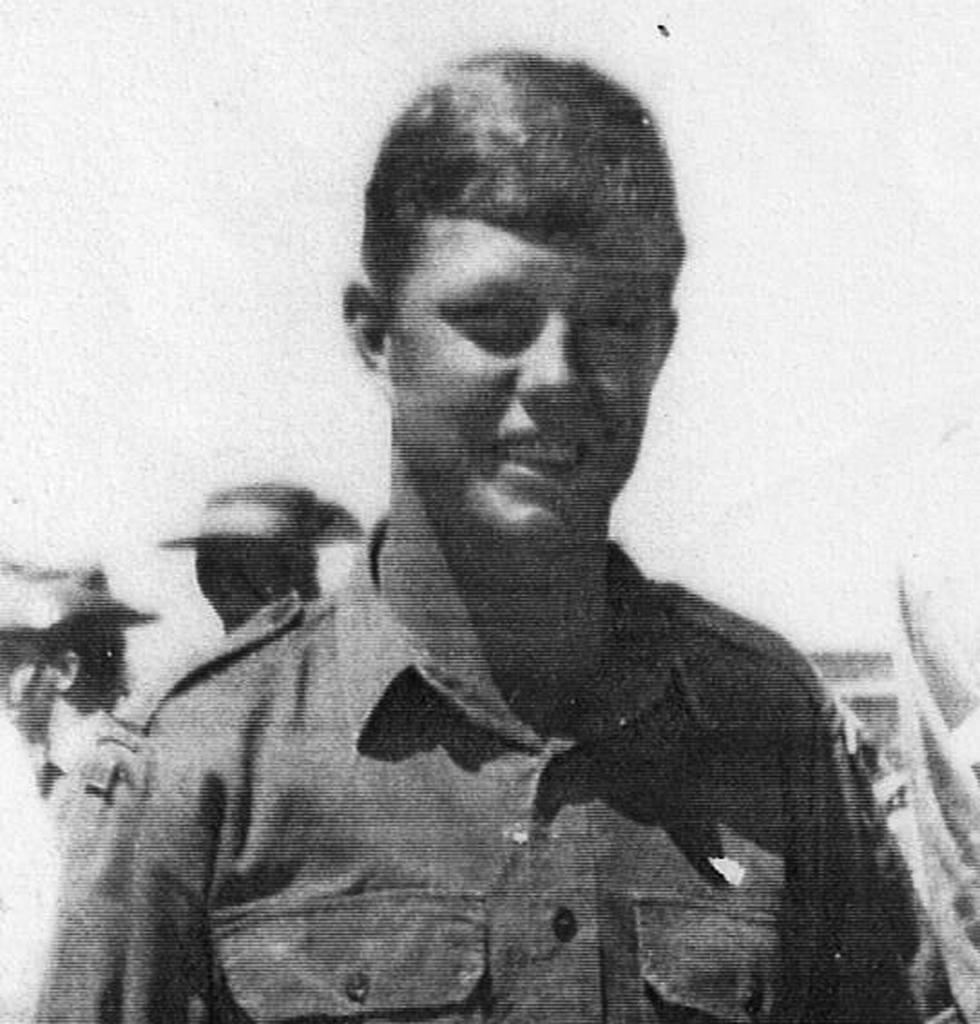 Robert John Caston
Private
4 February 1968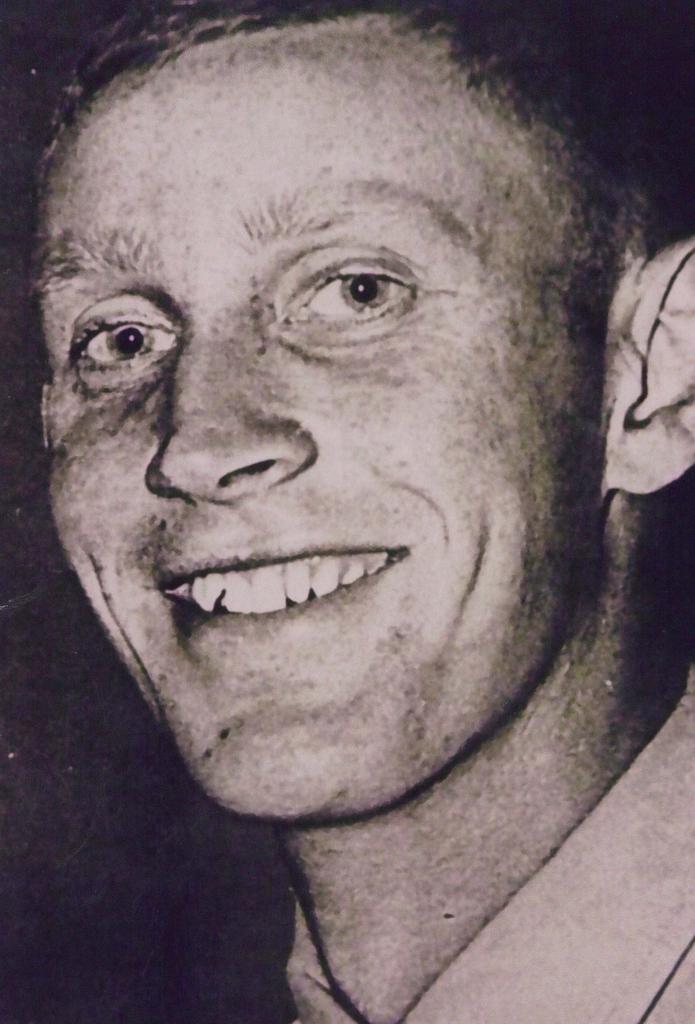 Guy Richard Godden
Private
8 February 1968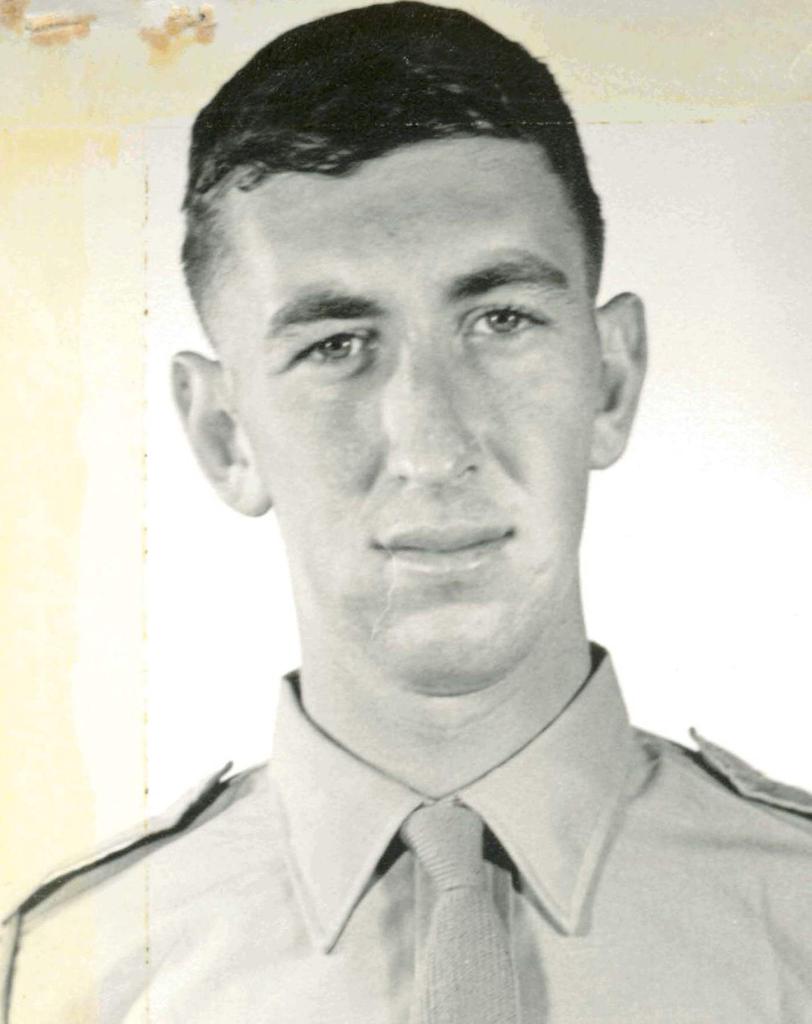 Leonard Alexander Taylor
2nd Lieutenant
8 February 1968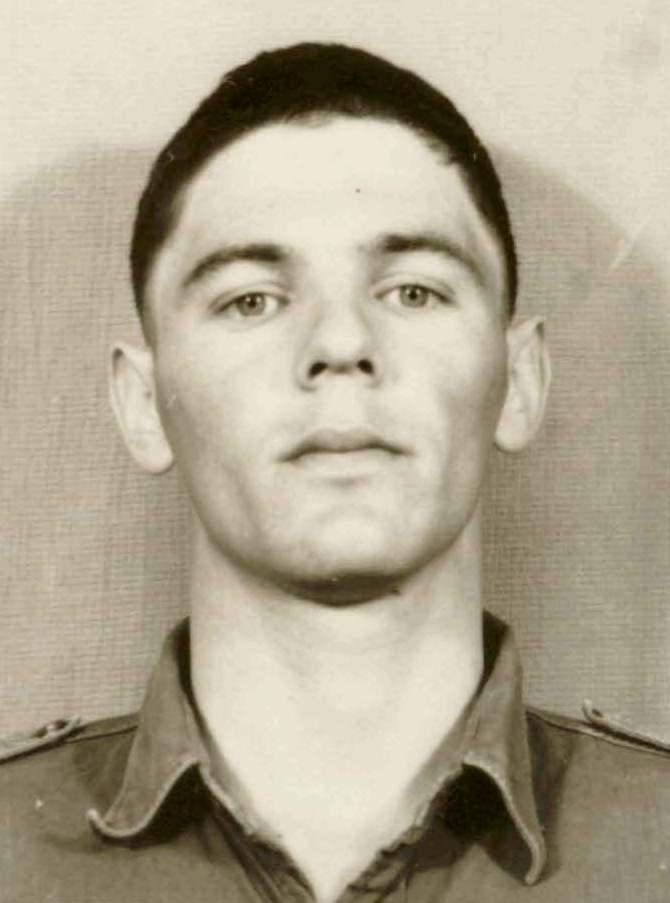 Geoffrey Francis Mathews
Private
9 February 1968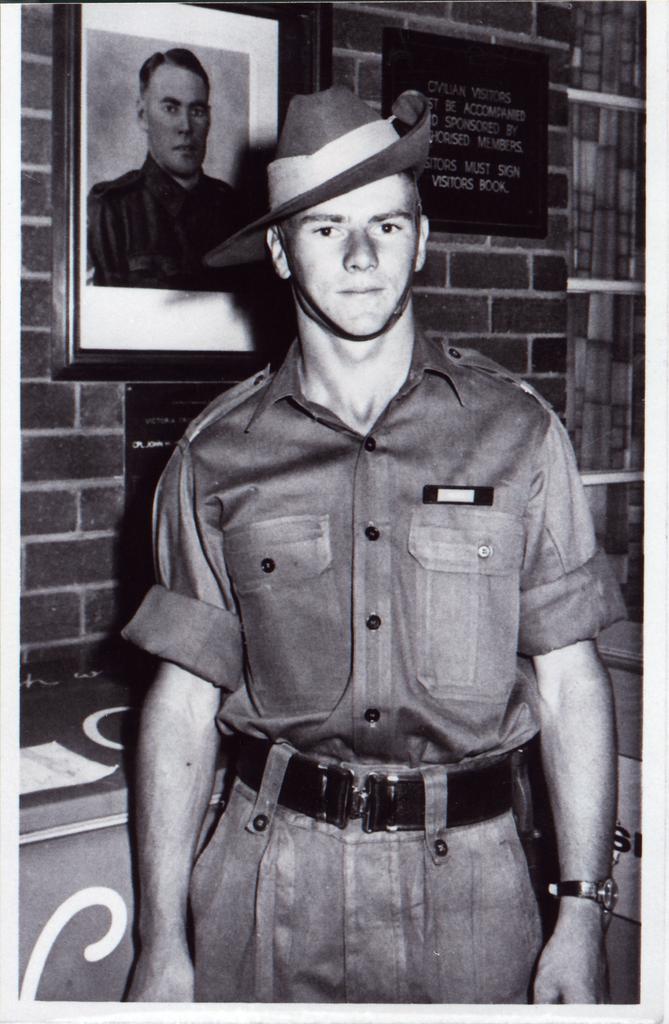 James Leslie Menz
Lance-Bombardier
18 February 1968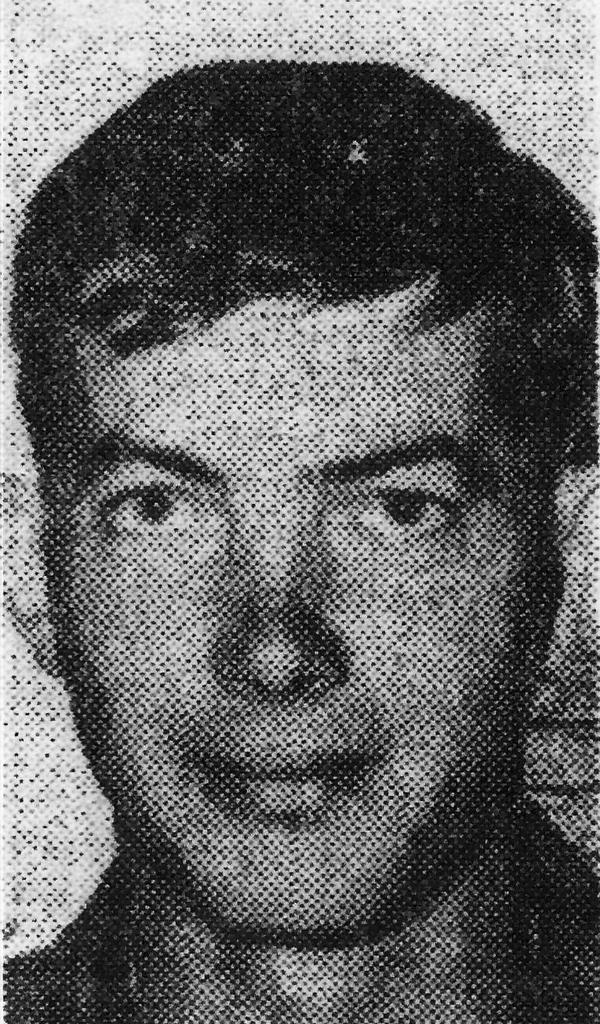 John Alexander Doherty
Private
18 February 1968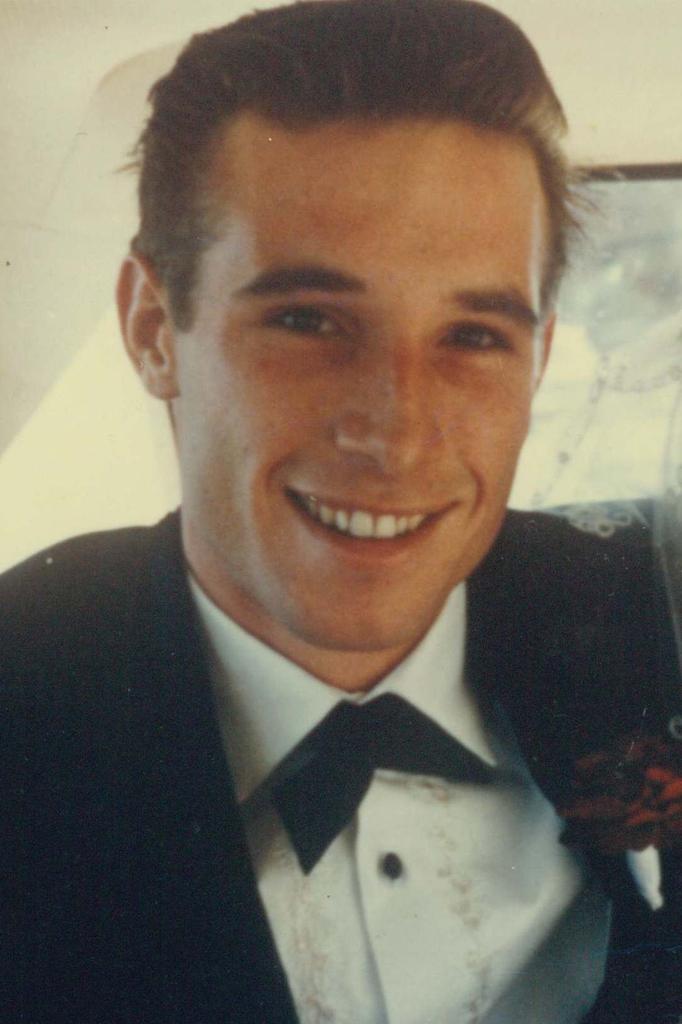 Thomas Johannes De Vries Van Leeuwen
Private
18 February 1968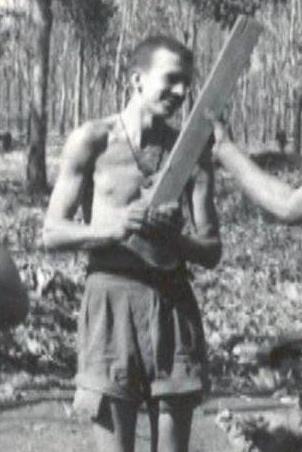 John Robert Rapp
Private
20 March 1968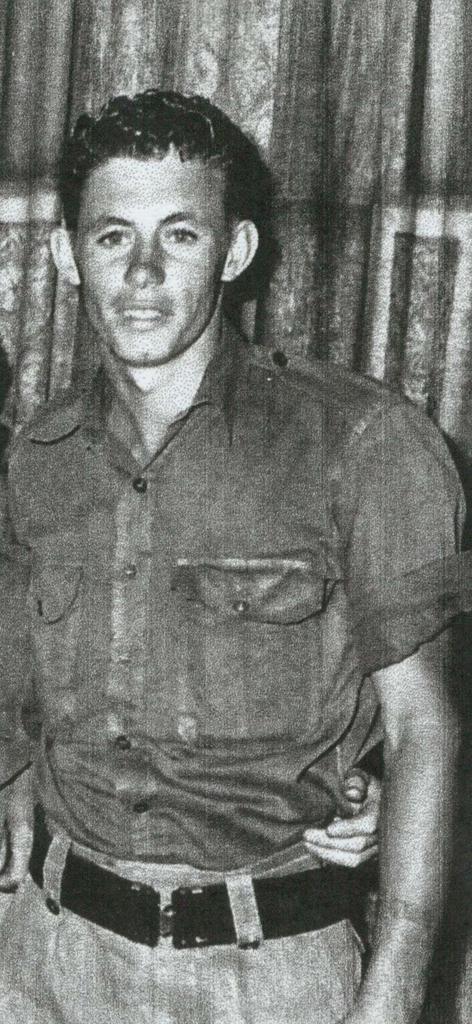 Kevin George Coles
Private
22 March 1968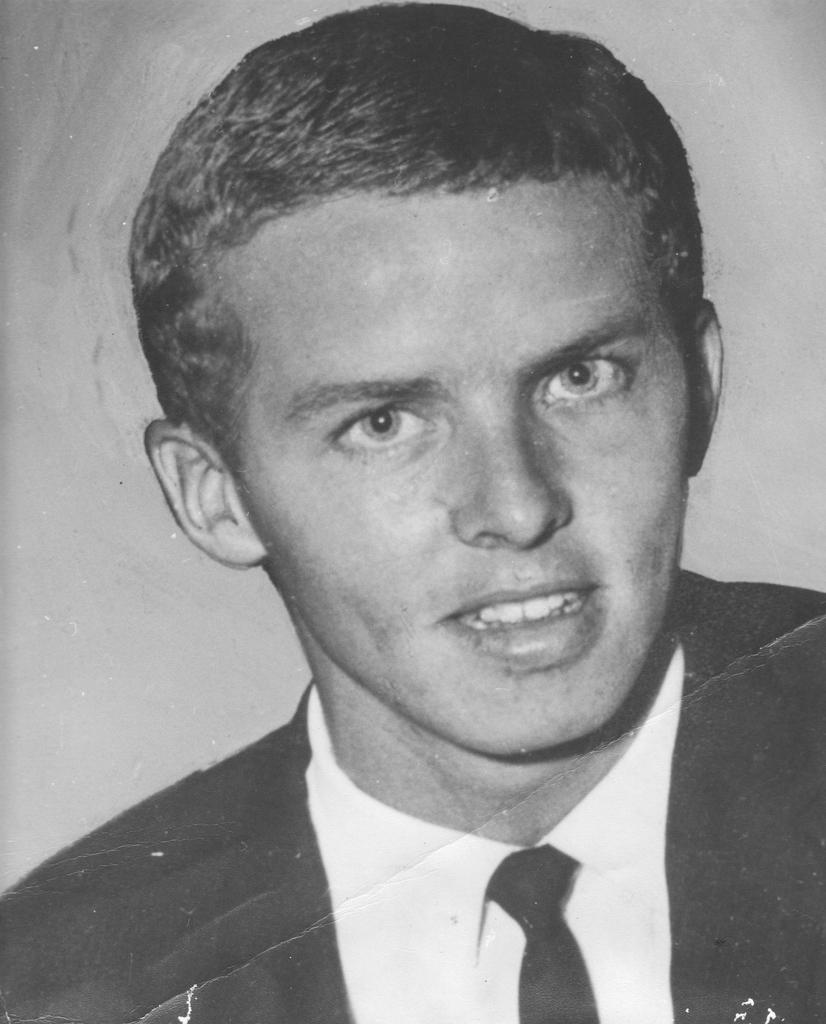 John Fraser
2nd Lieutenant
24 March 1968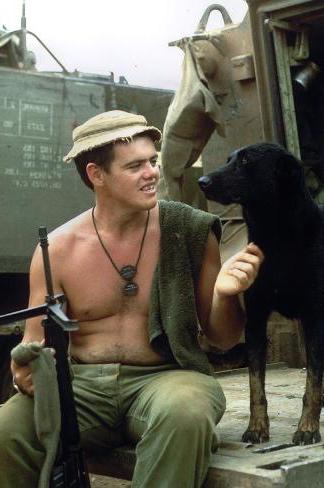 Garry Robert Polglase
Private
13 April 1968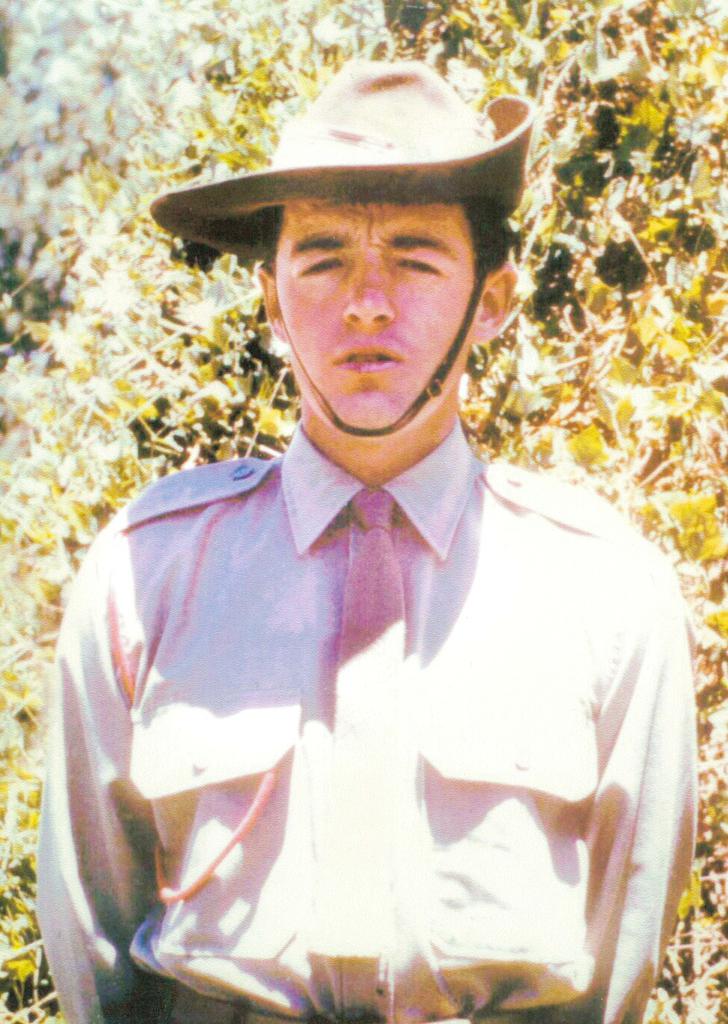 Roger Leon Fisher
Lance-Corporal
26 April 1968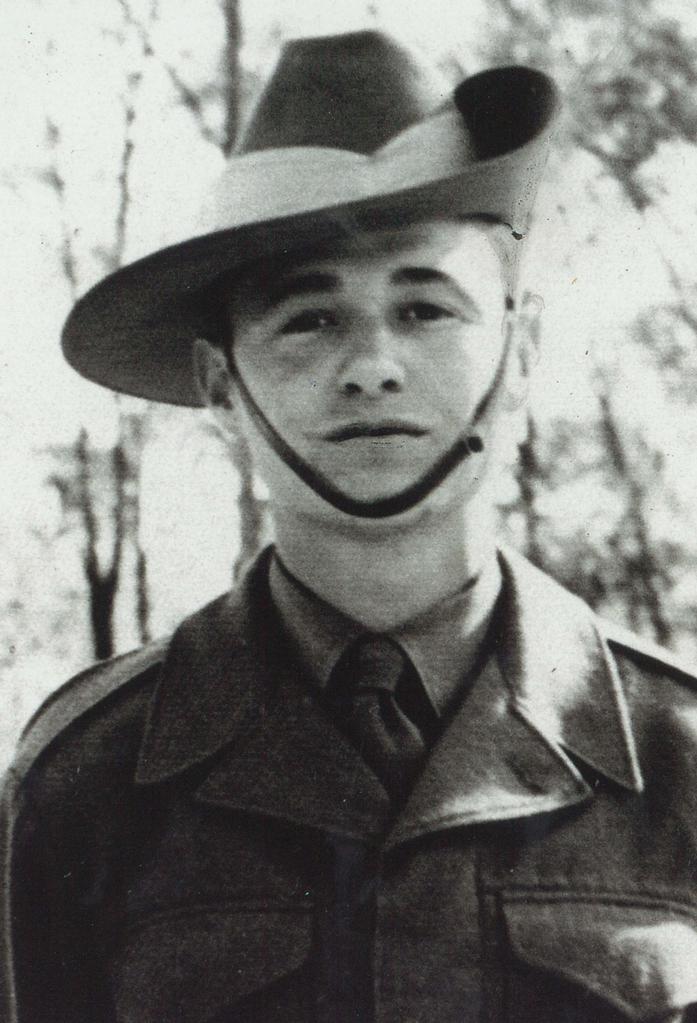 Peter Edward Lewis
Sergeant
13 May 1968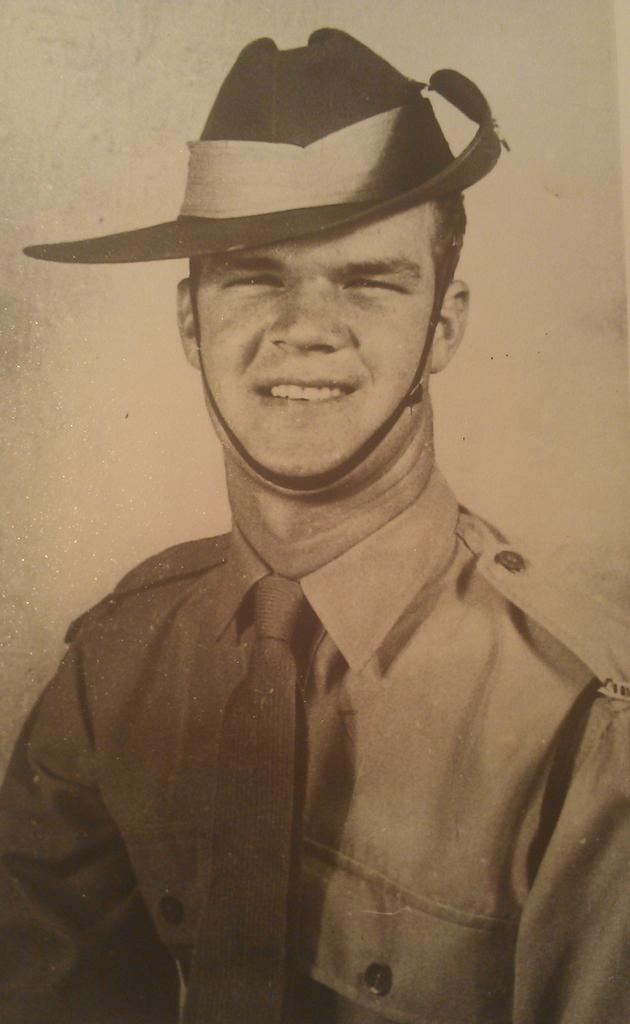 Alan John Cooper
Private
26 May 1968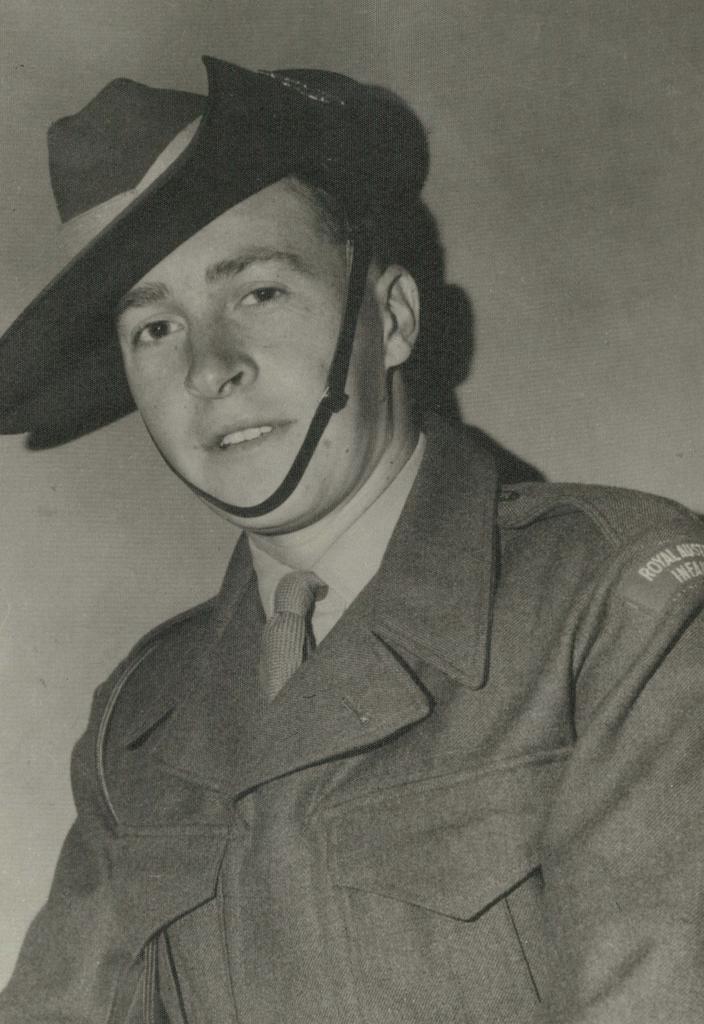 John Walter Desnoy
Private
26 May 1968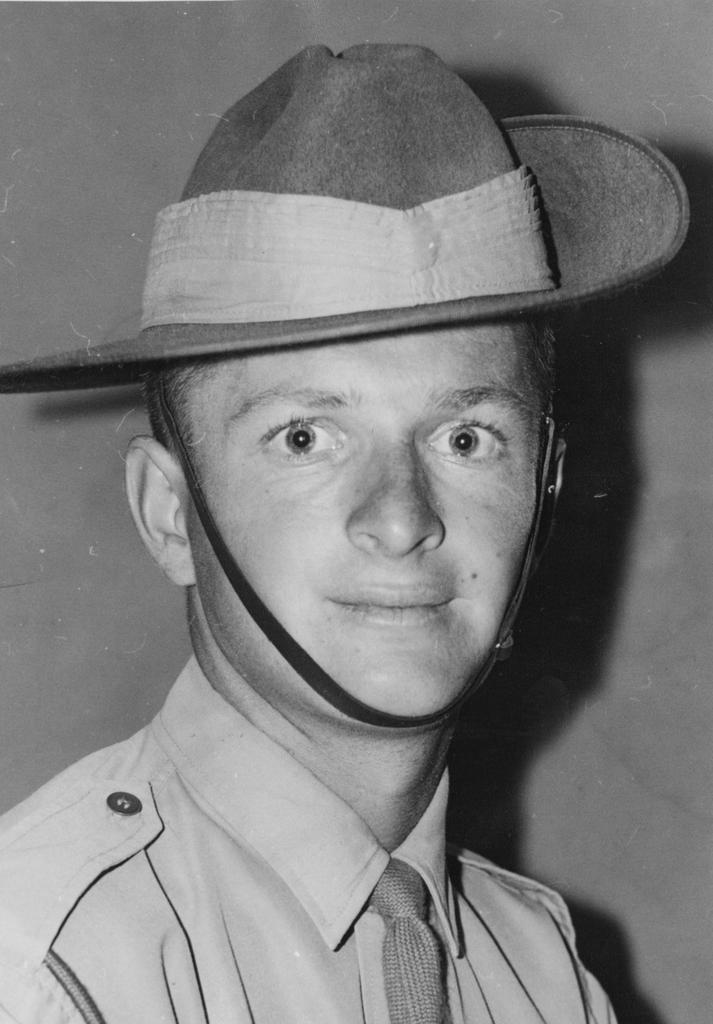 Lindsay Noel Brown
Private
26 May 1968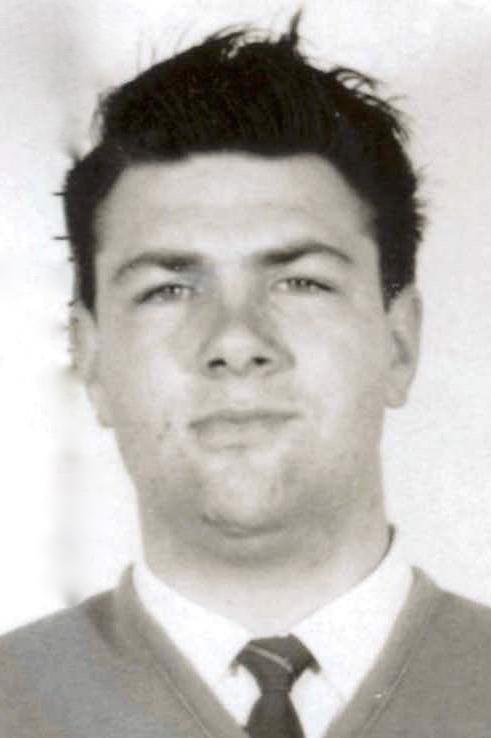 William Malcolm Thomas
Private
26 May 1968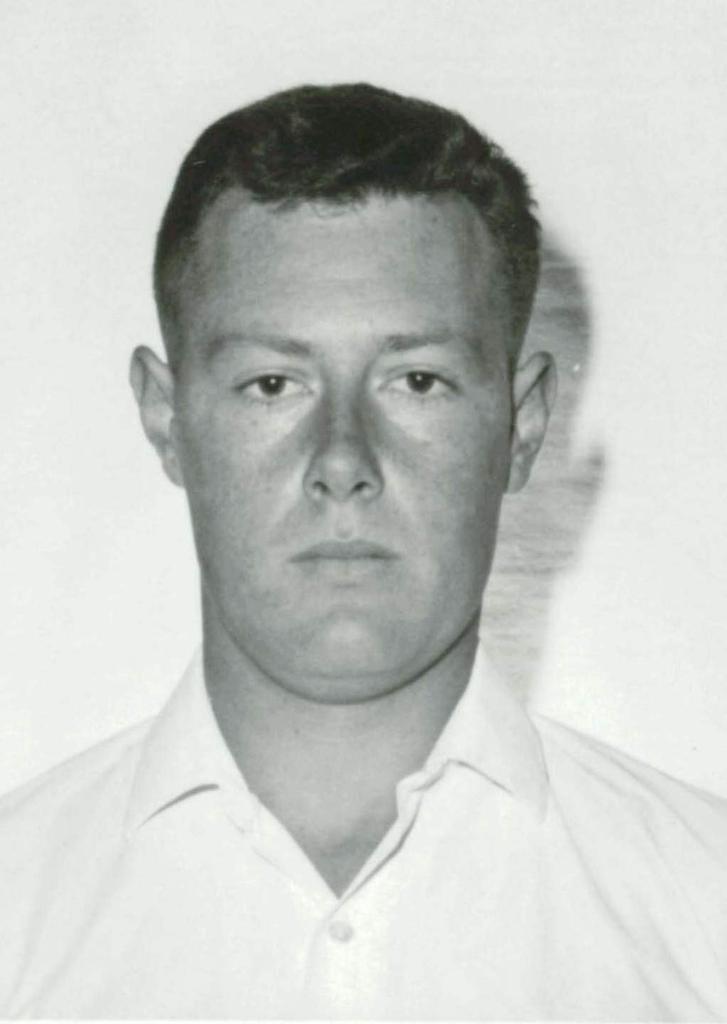 Jeffrey Thomas Worle
Private
28 May 1968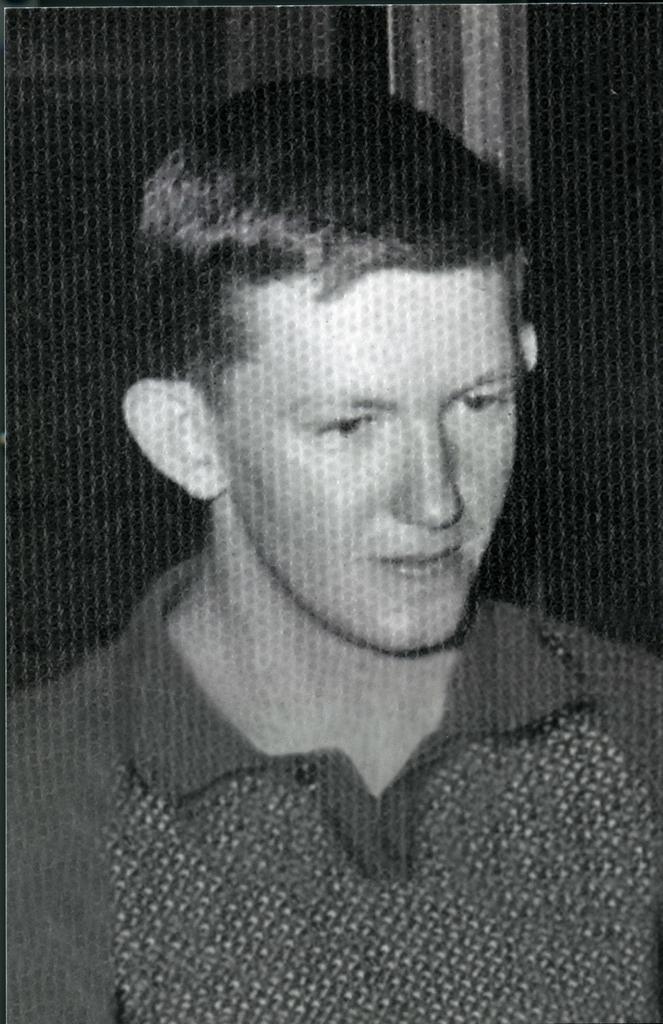 John Alexander Campbell
Private
3 August 1968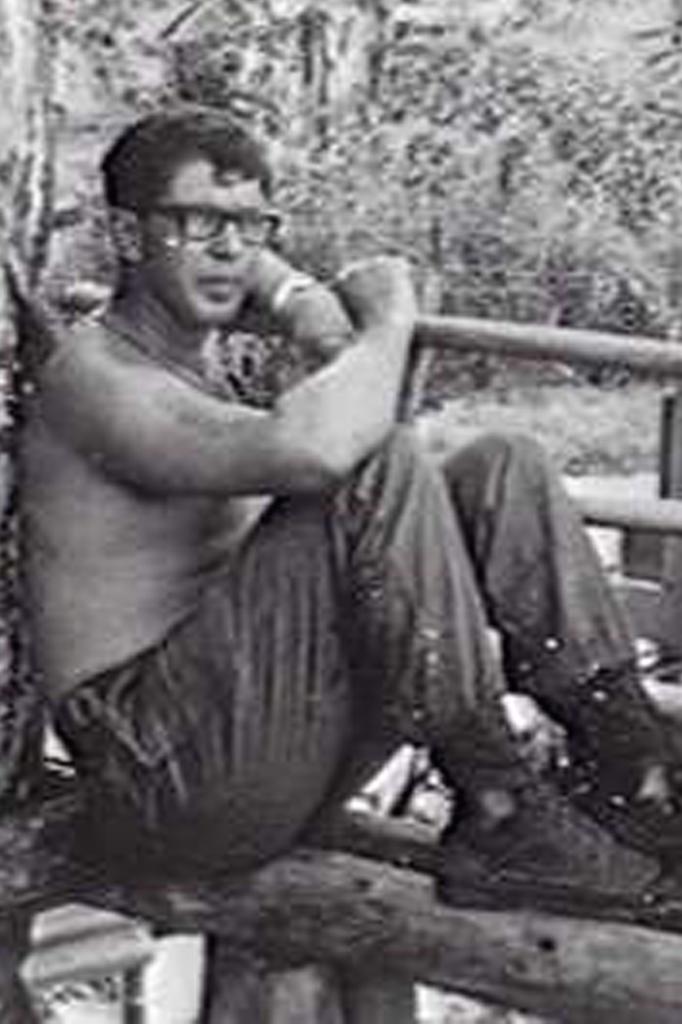 Ronald Thomas Carroll
Sergeant
4 August 1968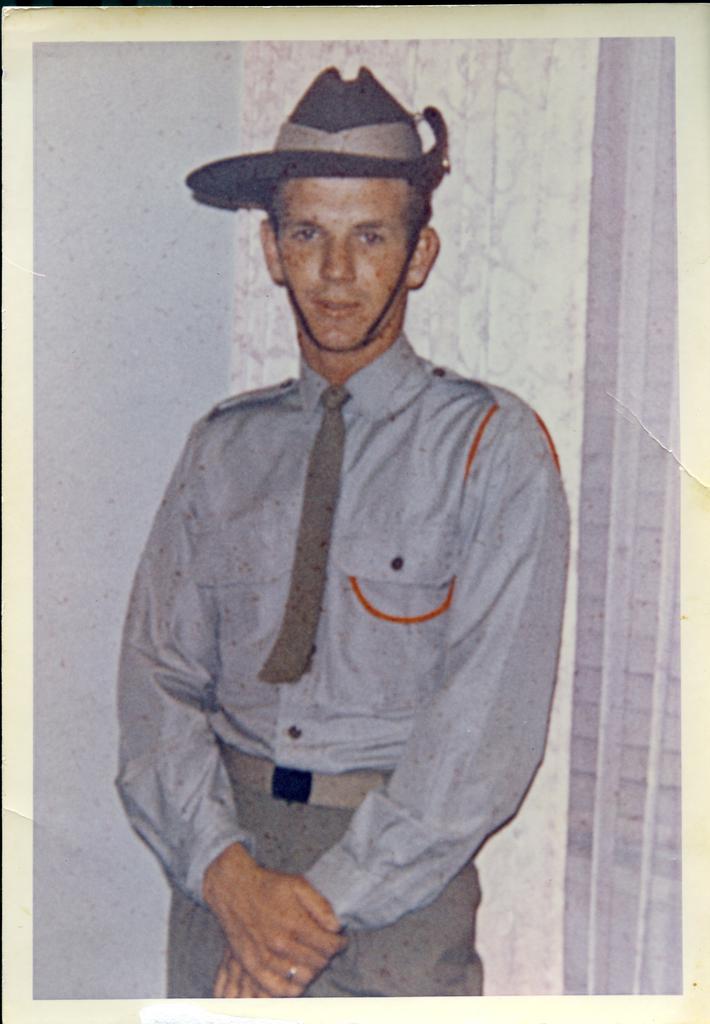 Barry Norton Davidson
Private
1 October 1968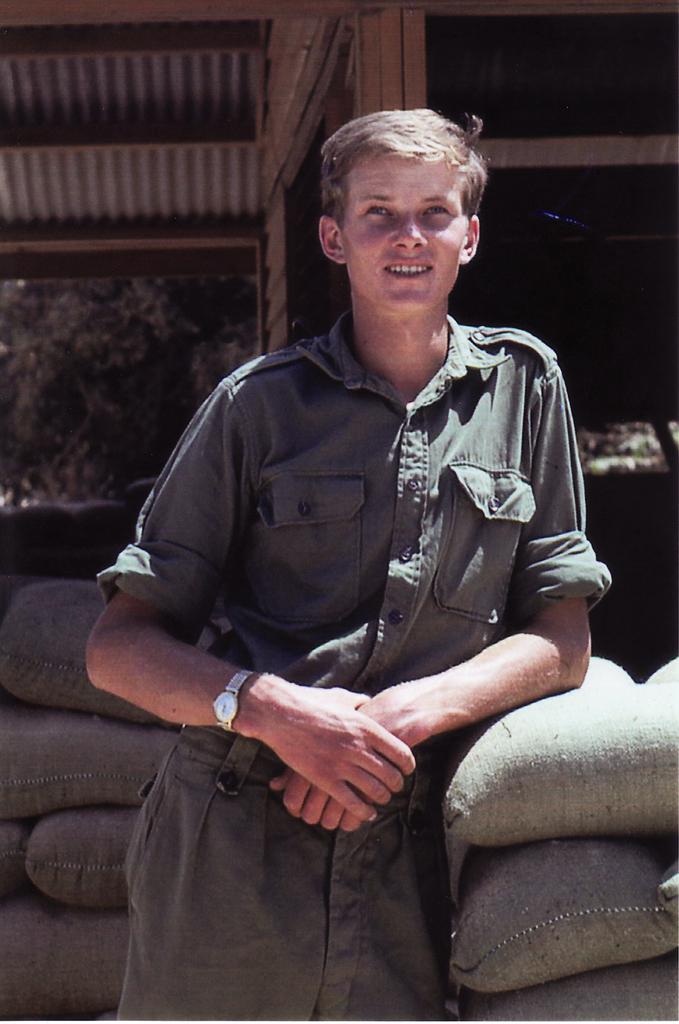 Ian James Thomson
Private
19 October 1968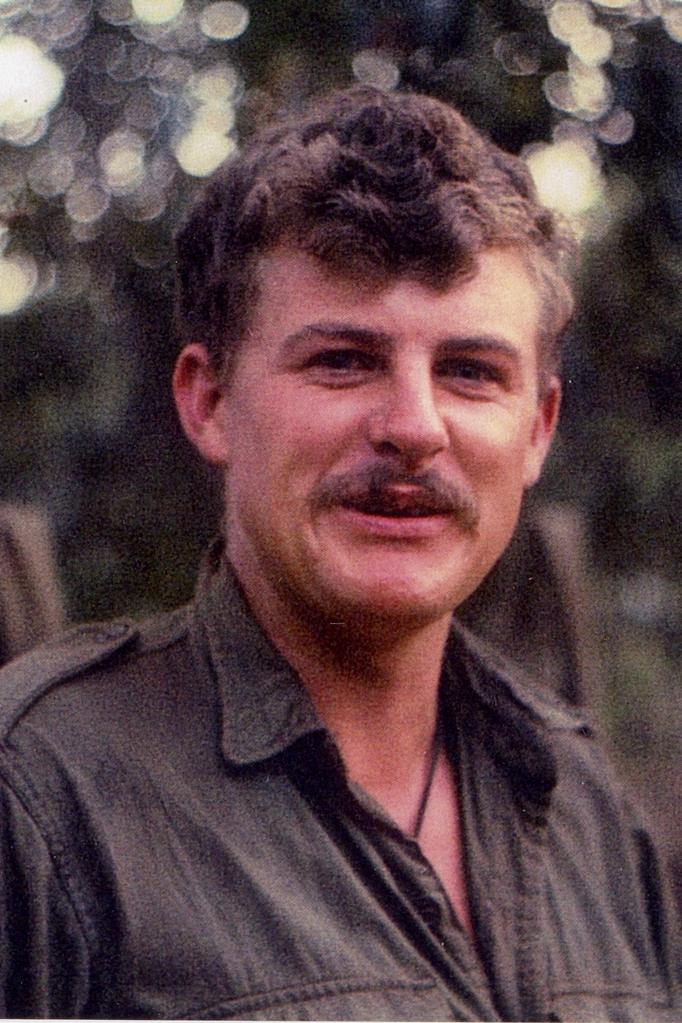 Paul Richard Peter Van Rijsewijk
Lance-Corporal
19 October 1968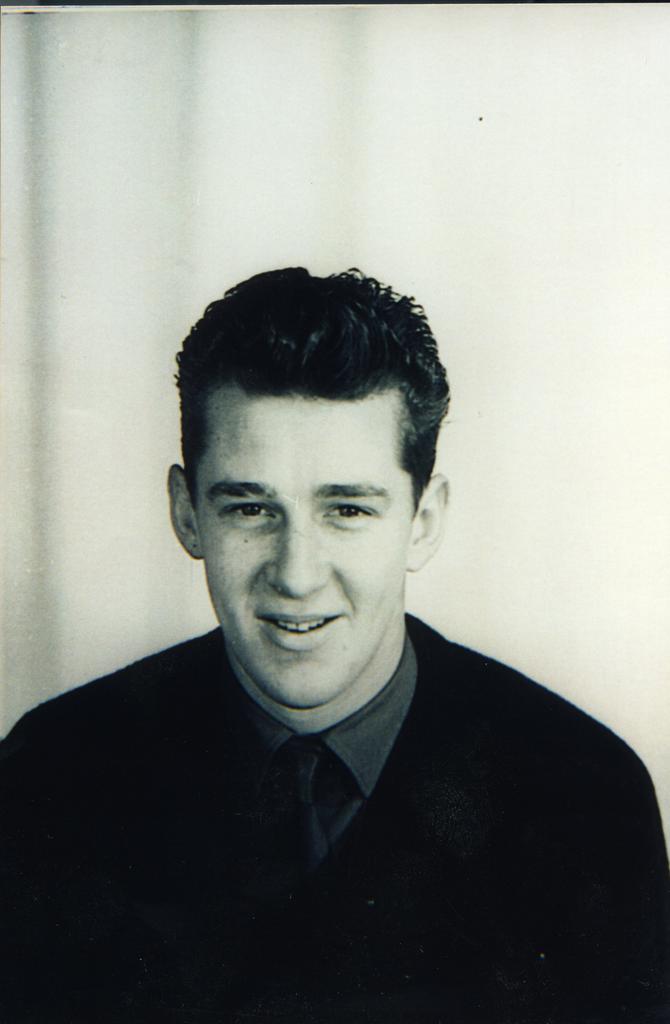 Kenneth Raymond Houston
Private
25 October 1968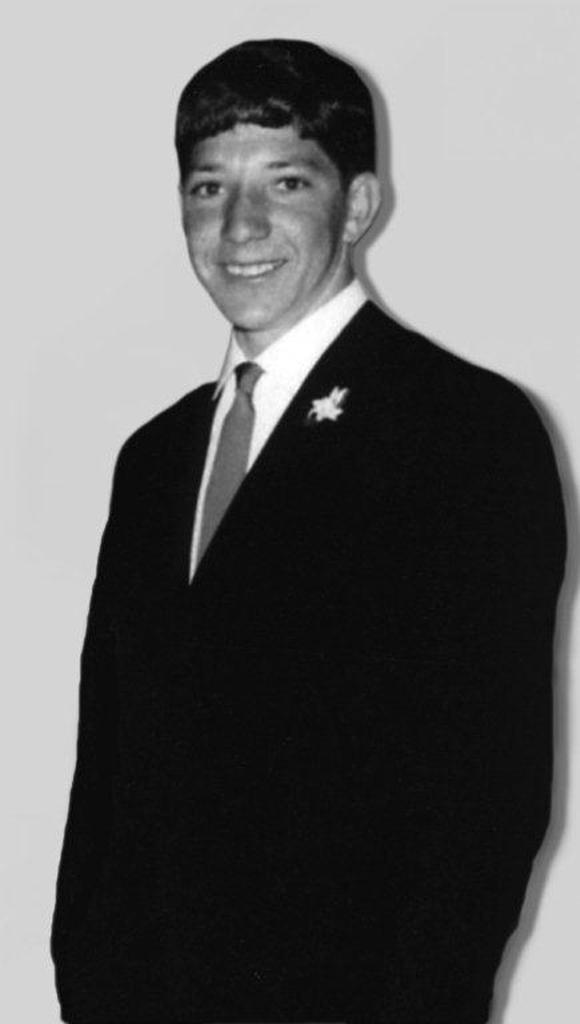 Anthony Vincent Quigley
Lance-Corporal
5 November 1968 John William Wheeler
Lieutenant
2 March 1971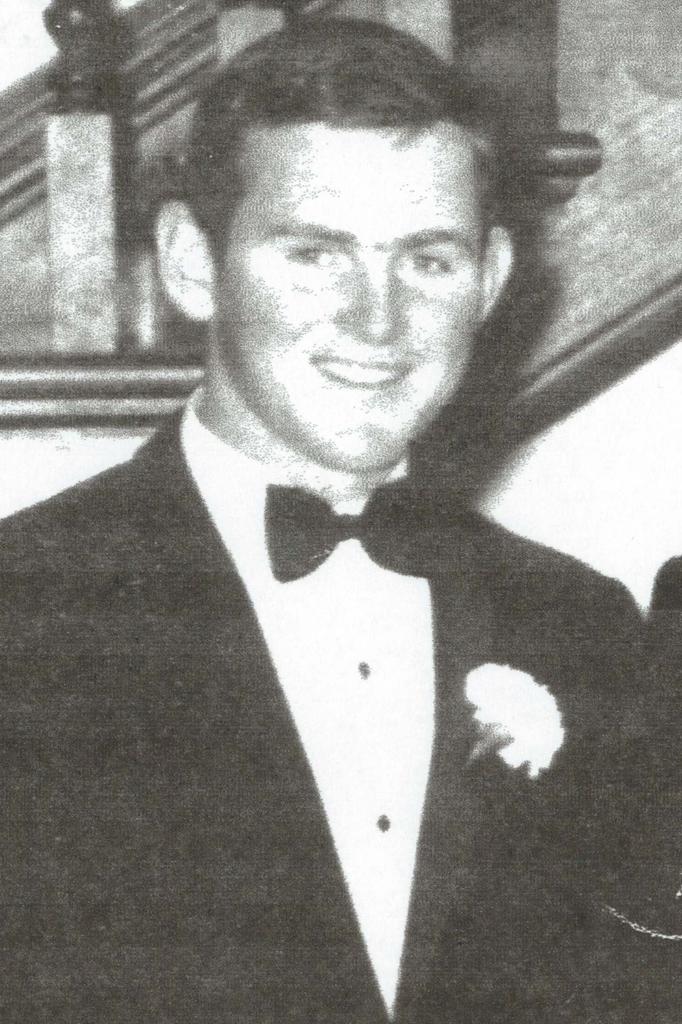 Paul Manning
Private
2 March 1971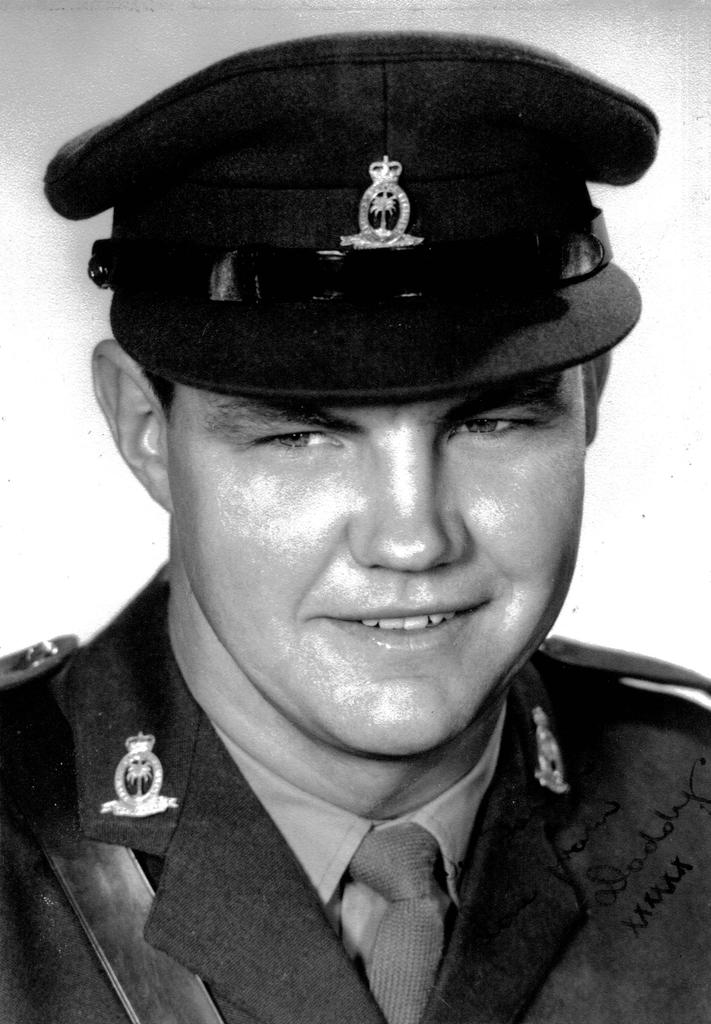 David Paterson
2nd Lieutenant
20 March 1971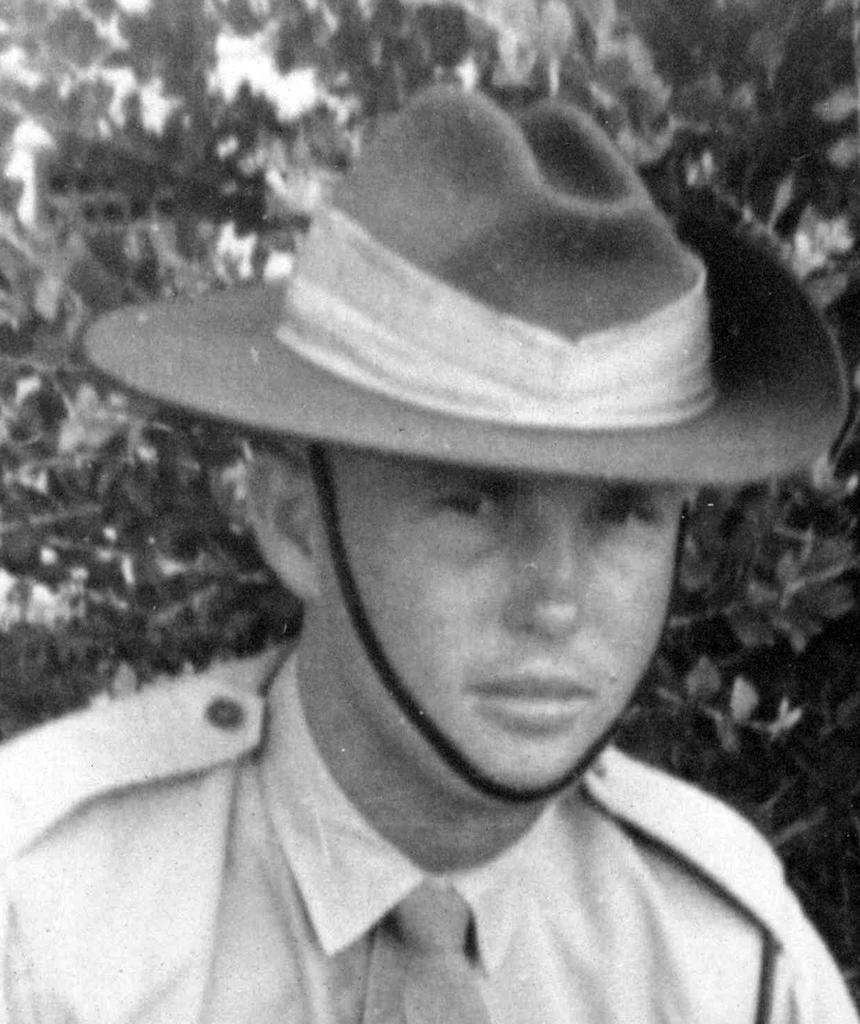 Ronald Wayne Salzmann
Lance-Corporal
14 April 1971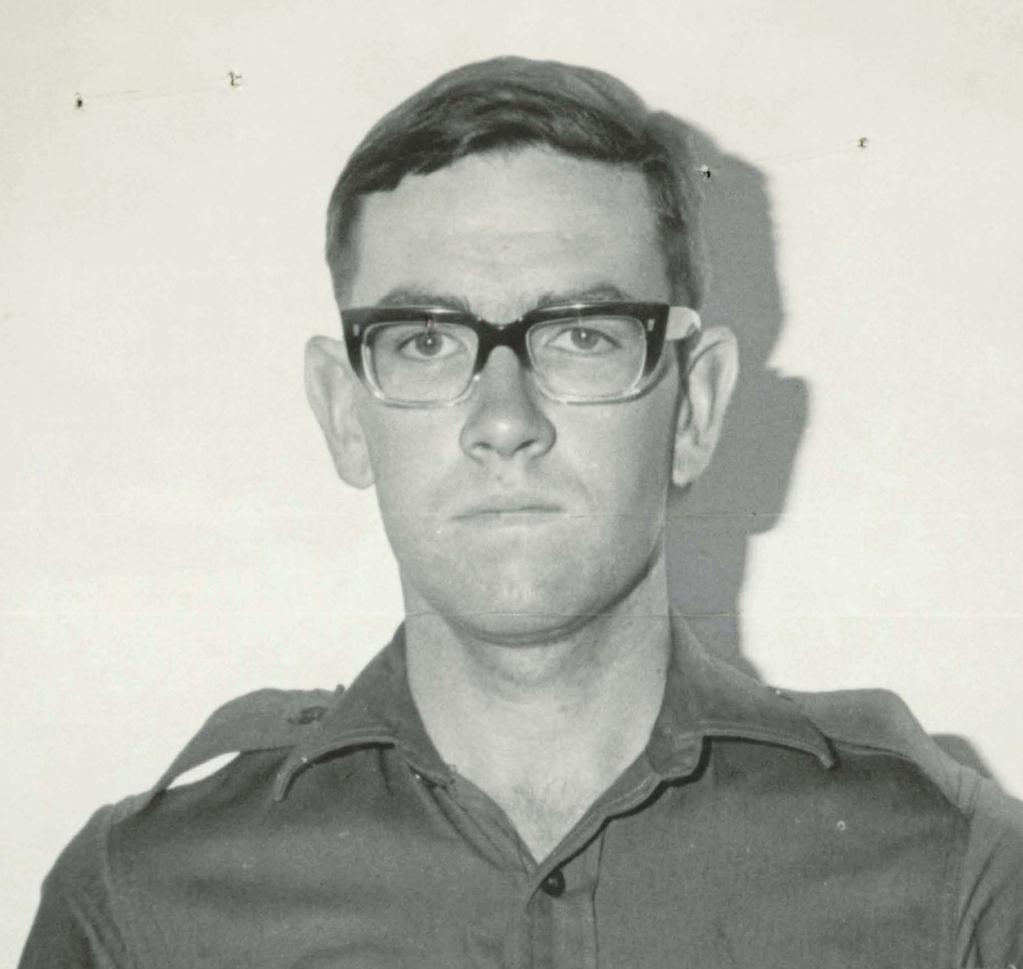 Ian George Mathers
2nd Lieutenant
7 June 1971
Photographs #
From the site's collection: pictures linked to the unit's contacts, and others taken near them at the time. Each opens on the Battle Map.
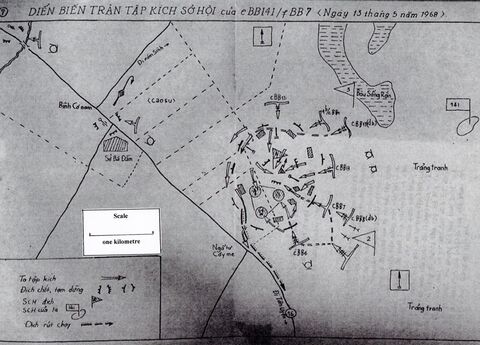 Sketch map titled: The Conduct of the Surprise Attack at So Hoi (FSPB Coral) by the 141st (NVA) Infantry Regiment/7th Infantry Division (13 May 1968). The map … Lieutenant Colonel Pham Vinh Phúc
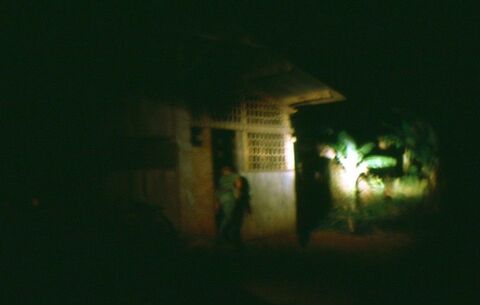 Regional SVN forces conducting a house to house search during a sweep of the village aided by the Centurion tank search light. Barry J Diwell
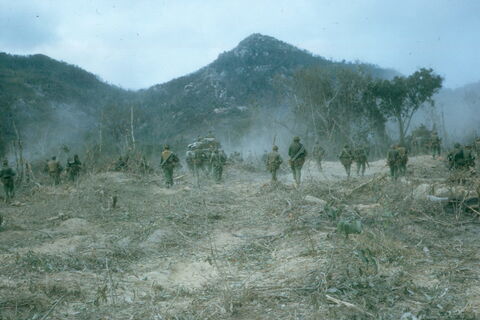 C Company 8 RAR assaulting into an enemy bunker system in the foothills of the Long Hais (Minh Dam Secret Zone) shortly after a B52 strike had hit the system. Rod Simpson, 22 February 1970
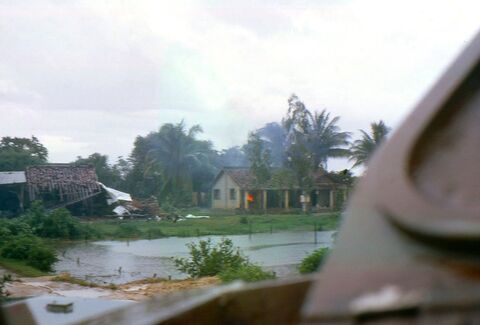 Taken during an exchange of fire with the enemy on the road south from the market place. Barry J Diwell, 22 August 1968
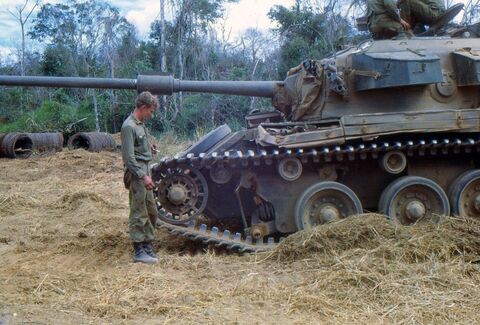 32 Charlie after having been escorted back to FSB Dyke. Temporary repairs had been made to the damaged suspension station. Rus Kiellerup is inspecting the … Duncan McIntosh, 10 December 1968
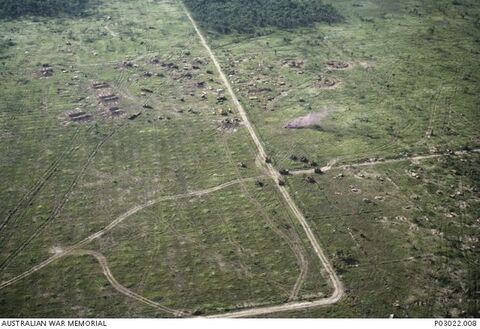 An aerial view of the central and south-eastern areas of Fire Support Base (FSB) Coral (Operation Toan Thang I) taken on the afternoon of 13 May 1968. The … AWM P03022.008, 13 May 1968
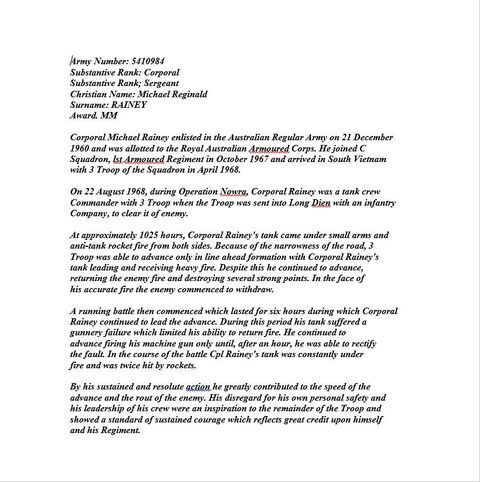 Wording of citation for the Military Medal awarded to Cpl M R Rainey crew commander Centurion tank 33Bravo 1AR for conduct during Operation Nowra 22 August …
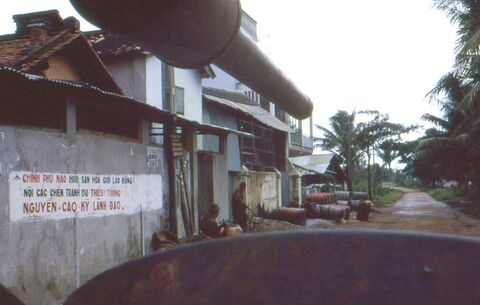 Members of 1 RAR and Centurion tank 33Bravo preparing to advance south from the market place at Long Dien. Barry J Diwell
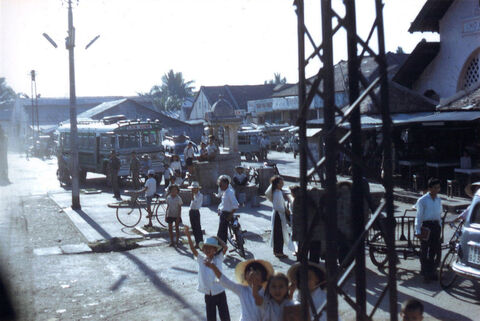 B Company 5 RAR returning to 1 ATF passing Long Dien bus stop one afternoon 3.67 errol999
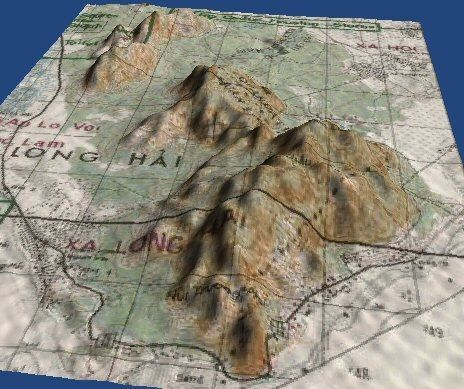 Number two of the Long Hai\'s in 3D Ern Marshall Oziexplorer
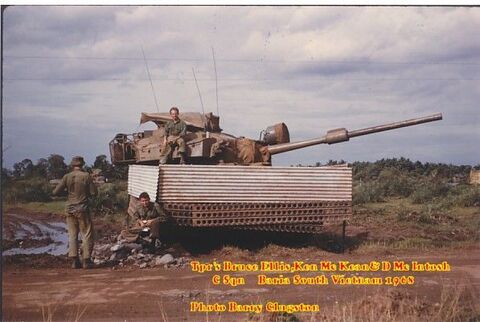 C Sqn at Baria 1968 Er Marshall Barry Clugston
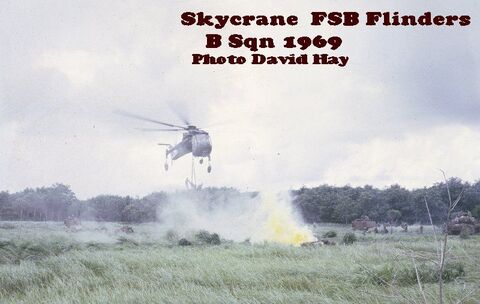 Sky Crane drops supplies to B Sqn 1969 Ern Marshall David Hay
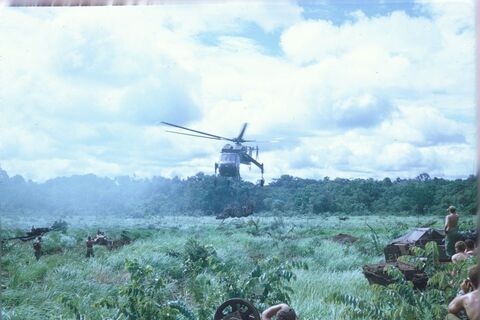 Front end loader being dropped at FSB Flinders Ern Marshall David Hay
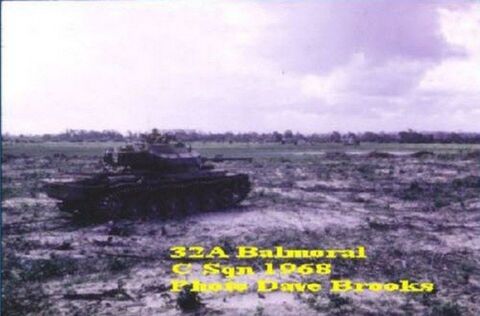 C Sqn At Balmoral 1968 Ern Marshall Dave Brooks
Sources #
- Tours and arm: the Australian War Memorial's record of the unit.
- Contacts: the Battle Map's records of 287 contacts, each report citing the archival source (most often the commanders' diaries, AWM95).
- The dead: the honour roll, with tours of duty from the nominal roll.
- Helicopter missions: No. 9 Squadron RAAF's unit history sheets (National Archives of Australia, A9186, 736), read into the Battle Map's records, with each report's summary written by an AI model (Claude).
- Summaries of the reports: written by an AI model (Claude) from the reports, and reviewed.