
Infantry · April 1967 – April 1968, February 1970 – February 1971
7th Battalion, Royal Australian Regiment
- Helicopter missions
- 38
- Contacts
- 401
- Operations
- 30
- Dead
- 34
- Australian wounded
- 196
- Enemy killed
- 308
 View unit in Battle MapView missions in Battle Map
Year by year #
401 contacts are recorded for the unit and sub-units, from 30 April 1967 to 19 February 1971. It was the unit in contact in 391 of them, and took part in 10 led by other units.
Unit actions #
In the contacts it led, by the task the report records:
| Task | Contacts | Share |
|---|---|---|
| Ambush | 134 | 34% |
| Patrol | 133 | 34% |
| Security | 82 | 21% |
| Bunker | 22 | 6% |
| Mine incident | 10 | 3% |
| Artillery engagement | 2 | 1% |
| Artillery and mortar fire | 1 | 0% |
| Search | 1 | 0% |
| Not recorded | 6 | 2% |
In another unit's contact in 10 contacts led by other units: 3 Cav Regt (6), 1 Armd Regt (1), 161 Field Battery, RNZA (New Zealand) (1), ARVN (1), Fire Aslt Pl (1).
Operations #
| Operation | Dates | Contacts | Australians killed | Enemy killed |
|---|---|---|---|---|
| Puckapunyal | 30 April 1967 | 1 | 0 | 0 |
| Lismore | 3 May 1967 – 7 May 1967 | 18 | 0 | 6 |
| TAOR | 10 May 1967 – 4 April 1968 | 24 | 0 | 8 |
| Broken Hill | 30 May 1967 – 14 June 1967 | 11 | 0 | 2 |
| Cooparoo | 24 June 1967 | 1 | 0 | 0 |
| Ballarat | 1 August 1967 – 13 August 1967 | 8 | 6 | 19 |
| Ainslie | 7 September 1967 – 19 September 1967 | 10 | 0 | 4 |
| Kenmore | 1 October 1967 – 8 October 1967 | 5 | 0 | 7 |
| Santa Fe | 28 October 1967 – 15 November 1967 | 29 | 2 | 27 |
| Forrest | 27 November 1967 – 4 January 1968 | 23 | 2 | 16 |
| Lorne/Forrest | 19 December 1967 – 20 December 1967 | 2 | 0 | 5 |
| Duntroon | 10 January 1968 – 20 January 1968 | 6 | 0 | 0 |
| Coburg | 24 January 1968 – 27 February 1968 | 44 | 2 | 52 |
| OAKLEigh | 16 February 1968 – 17 February 1968 | 7 | 0 | 7 |
| MacKay | 28 February 1968 – 4 March 1968 | 2 | 0 | 2 |
| Woolgoolga | 28 February 1968 – 29 February 1968 | 7 | 0 | 6 |
| Finschhafen | 7 March 1970 – 1 April 1970 | 22 | 0 | 8 |
| Townsville | 2 April 1970 – 6 April 1970 | 9 | 1 | 1 |
| Concrete | 20 April 1970 – 6 June 1970 | 49 | 7 | 50 |
| Finschhaven | 2 May 1970 | 1 | 0 | 0 |
| Cung Chung | 15 June 1970 – 24 June 1970 | 10 | 0 | 2 |
| Cung Chung | 18 June 1970 – 24 June 1970 | 3 | 0 | 0 |
| ELANORA | 20 June 1970 – 21 June 1970 | 2 | 0 | 1 |
| Cung Chung 1 | 23 June 1970 | 1 | 0 | 0 |
| Cung Chung 1 | 26 June 1970 – 27 June 1970 | 2 | 0 | 2 |
| Birdwood | 30 June 1970 – 20 July 1970 | 23 | 0 | 14 |
| Cung Chung 2 | 8 August 1970 – 6 September 1970 | 15 | 1 | 11 |
| Cung Chung 3 | 11 September 1970 – 12 January 1971 | 20 | 0 | 7 |
| Cung Chung 3 | 10 October 1970 – 23 January 1971 | 30 | 3 | 42 |
| Phoi Hop | 1 February 1971 – 19 February 1971 | 5 | 2 | 3 |
Air support #
No. 9 Squadron RAAF's unit history records 38 helicopter missions flown for 7 RAR, from 28 July 1967 to 23 July 1970. 44 casualties were evacuated, as the reports count them; helicopters were fired on from the ground on 2 missions, and hit on 1.
| Mission | Missions | Share |
|---|---|---|
| Troop Lift | 19 | 50% |
| Medevac | 10 | 26% |
| Gunship | 3 | 8% |
| Resupply | 2 | 5% |
| Sighting | 2 | 5% |
| Extraction | 1 | 3% |
| Patrol Extraction | 1 | 3% |
The most significant:
- 6 August 1967: medevac. 17 casualties evacuated. Fired on from the ground, and hit. On the allied side: 17 wounded. A 7 RAR contact that left four Australians killed and 17 wounded brought 9 Squadron in to evacuate the casualties. The first helicopter, flown by Squadron Leader Cox, came under heavy automatic fire as it came to the …
- 27 November 1967: medevac. 19 casualties evacuated. On the allied side: 2 killed, 17 wounded. At 6 pm four Albatross helicopters evacuated two killed and 17 wounded from a position eight miles east of Nui Dat, where part of 7 RAR had met heavy resistance while attacking an enemy camp. Flying conditions were very …
- 23 March 1970: medevac. 1 casualty evacuated. Late in the day US Dustoff 15 winched out several sitting patients, and Night Dustoff 1, flown by Squadron Leader White, winched out a lying patient in a litter from Pioneer Platoon, 7 RAR and took him to Vampire pad …
- 22 April 1970: medevac. 3 casualties evacuated. Fired on from the ground. On the allied side: 3 wounded. Bushranger 71, flown by Pilot Officer Beatty, supported B Company, 7 RAR after it contacted two Viet Cong, moved into an enemy bunker complex and came under fire from all sides, with three Australians wounded. The …
- 22 June 1970: medevac. 4 casualties evacuated. On the allied side: 4 wounded. The Bushranger light fire team covered a Dustoff helicopter taking four wounded Australians of 7 RAR to Vampire.
View the missions in Battle Map
Notable contacts #
30 April 1967: Security, Operation Puckapunyal #
First · 7 RAR in contact
5 Platoon, B Company, 7 RAR, opened fire when the enemy probed its defences. There were no known casualties.
6 August 1967: Bunker, Operation Ballarat #
Significant · 7 RAR in contact
Australian: 6 killed, 19 wounded. Enemy: 15 killed, 25 wounded.
Operation Ballarat, in the Hat Dich area. A Company, 7 RAR, had been inserted quietly to ambush trails to enemy camps, and its 2 Platoon killed two enemy who walked into a hasty ambush. Sent along the track after the rest of the enemy squad, the platoon ran into heavy automatic fire from a defended position held by a company of the 274th Regiment's 3rd Battalion, covering the withdrawal of its battalion from a camp nearby. The whole company was committed, supported by air strikes and by 106 Field Battery and a US battery, until the enemy withdrew after about four hours. Six Australians were killed and about twenty wounded; an estimated 15 enemy were killed and 25 wounded by the company, and many more by the artillery and air strikes.
10 November 1967: Security, Operation Santa Fe #
Typical: security · 7 RAR in contact
Australian: 2 killed, 6 wounded.
A command-detonated Claymore mine was fired into 2 Platoon, A Company, 7 RAR's base from outside the perimeter, probably aimed at the sound of its radio, killing two Australians and wounding six. Sweeping the area, the platoon killed two Viet Cong and captured two rifles. The company commander noted that a helicopter visit an hour earlier may have given the position away, and that the men had run to the wounded without waiting for a sweep, risking a second mine.
27 November 1967: Bunker, Operation Forrest #
Significant · 7 RAR in contact
Australian: 2 killed, 22 wounded. Enemy: 4 killed, 4 wounded.
Acting on SAS intelligence, D Company, 7 RAR, assaulted an occupied Viet Cong base camp while B Company waited in ambush on the escape routes. 10 and 12 Platoons took several bunkers, but when they reached the centre of the camp the enemy, using communication trenches, came round behind them and attacked from three sides, firing rocket-propelled grenades into the tree canopy to rain shrapnel on the Australians. Close quarters ruled out artillery and helicopter gunships, and grenade launchers and a machine-gun failed. The fighting, in heavy rain, died away at nightfall; two Australians were shot dead and about 21 wounded by shrapnel, several of whom stayed on duty. The camp had been used by the D445 Battalion and the Chau Duc district company.
27 January 1968: Bunker, Operation Coburg #
Significant · 7 RAR in contact
Australian: 1 killed, 10 wounded. Enemy: 5 killed, 5 wounded.
10 Platoon, D Company, 7 RAR, unknowingly approached an enemy camp held by more than a company, and the forward section was hit as it crossed a deep gully. With the platoon nearly out of ammunition and under grenade-launcher and mortar fire, helicopter gunships struck the enemy only 30 metres away, and the rest of the company came up, assaulted both flanks and cleared the camp as the enemy withdrew in disorder. One Australian was killed and ten wounded, mostly by grenades and rockets. The enemy, of the C238 Battalion, had been massing for an attack on Long Binh.
29 January 1968: Ambush, Operation Coburg #
Significant · 7 RAR in contact
Australian: 1 killed, 7 wounded. Enemy: 8 killed.
2 Platoon, A Company, 7 RAR, was holding an ambush when a large body of enemy approached. Claymores and machine-guns killed four of the first five into the killing ground, but 20 or more enemy fought back hard with rifles, machine-guns and rocket-propelled grenades. One Australian, the platoon's medic, died of his wounds and seven were wounded, many by rocket shrapnel; eight enemy were killed.
7 February 1968: Bunker, Operation Coburg #
Significant · 7 RAR in contact
Australian: 14 wounded. Enemy: 3 killed, 5 wounded.
After air strikes and gunships had hit an enemy camp, C Company, 7 RAR, went in by a wide flanking move. The camp seemed deserted until Viet Cong in four large, well-hidden bunkers opened fire at ten metres, pinning the leading sections in crossfire; anti-tank rockets had little effect on the bunkers. The company pulled back 15 metres and brought artillery, mortars and a gunship strike in very close, after which the enemy withdrew in good order. Fourteen Australians were wounded, none seriously, six staying on duty overnight; three enemy were killed and five wounded, and the company commander thought more.
22 April 1970: Bunker, Operation Concrete #
Significant · 7 RAR in contact
Australian: 1 killed, 5 wounded. Enemy: 4 killed.
B Company, 7 RAR, fought a bunker system of 18 bunkers along the bank of the Song Rai. To let 5 Platoon break off and evacuate its wounded, a patrol from company headquarters went in to draw fire and took casualties, and then a section of 4 Platoon moved up to assault a line of bunkers so headquarters could get its own wounded out, all under intense rocket and rifle fire, with helicopter gunships firing 10 to 15 metres ahead of the troops. Everyone was brought out and an air strike hit the bunkers; tanks could not get through the jungle before dark, and by morning the enemy had gone. One Australian died of wounds and five were wounded; four enemy bodies were found later.
21 May 1970: Bunker, Operation Concrete #
Significant · 7 RAR in contact
Australian: 1 killed, 12 wounded. Enemy: 5 killed, 3 wounded.
A spotter aircraft directed 1 Platoon, A Company, 7 RAR, and the reconnaissance platoon to an occupied bunker system 800 metres away, and they went in by armoured personnel carrier behind tanks of 1 Armoured Regiment. The infantry attacked both flanks and the tanks the centre, and took some bunkers, but met intense rocket and rifle fire; a rocket hit a machine-gun team, killing the gunner, and 1 Platoon pulled back 75 metres with its wounded. The reconnaissance platoon did not get the order to withdraw and fought on, and a carrier was hit and towed out. One Australian was killed and twelve wounded; five Viet Cong were killed and three captured.
6 June 1970: Patrol, Operation Concrete #
Typical: patrol · 7 RAR in contact
Australian: 3 killed, 1 wounded.
9 Platoon, C Company, 7 RAR, fired on an enemy soldier in the sandhills south-west of Phuoc Hai, who fled leaving a heavy blood trail. Following the trail at first light, the patrol set off an M16 mine that the enemy had laid where a follow-up was likely to go. Two Australians were killed, one died of wounds and one was wounded.
31 December 1970: Ambush, Operation Cung Chung 3 #
Significant · 7 RAR in contact
Enemy: 21 killed, 9 wounded.
An ambush by B Company, 7 RAR, with a section of carriers of 1 Troop, B Squadron, 3 Cavalry Regiment, held its fire until about 45 Viet Cong filled the killing ground before dawn, then fired all its Claymores and every weapon it had. The enemy fought back with rifles, machine-guns and rockets and tried again and again to recover their dead. There were no Australian casualties; 21 Viet Cong were killed and nine wounded, and a large haul of weapons, a radio and important documents was captured. The dead included the second in command of the D445 Battalion, its political officer and several of its junior leaders.
16 January 1971: Ambush, Operation Cung Chung 3 #
Typical: ambush · 7 RAR in contact
Australian: 1 killed, 1 wounded. Enemy: 5 killed, 7 wounded.
6 Platoon, B Company, 7 RAR, heard about 15 enemy pass 20 metres away but let them go because the ambush was badly aligned, and re-sited it along the track. When about 20 more came the other way, it let seven into the killing zone and opened fire at five metres. A dying Viet Cong threw a grenade into the machine-gun pit, killing one Australian and wounding one. Five enemy, a food-carrying party of the Long Dat district force, were killed, with more blood trails, and packs and food were captured.
19 February 1971: Ambush, Operation Phoi Hop #
Last · 7 RAR in contact
Enemy: 2 killed.
Fresh enemy tracks in the Binh Chau area led B Company, 7 RAR, to set an ambush. The sentry saw two armed enemy and shot both; one died at once, and the other got 200 metres before dying and was found in the follow-up. Two rifles were captured.
Sub-units #
A Company #
104 contacts, 3 May 1967 to 11 February 1971; 23 operations. Australian: 10 killed, 56 wounded. Enemy: 96 killed, 65 wounded.
Actions: patrol 34%, ambush 33%, security 22%, bunker 5%, mine incident 4%.
Most significant contacts:
- 6 August 1967: bunker, Operation Ballarat. Australian: 6 killed, 19 wounded. Enemy: 15 killed.
- 29 January 1968: ambush, Operation Coburg. Australian: 1 killed, 7 wounded. Enemy: 8 killed.
- 21 May 1970: bunker, Operation Concrete. Australian: 1 killed, 12 wounded. Enemy: 5 killed.
B Company #
107 contacts, 30 April 1967 to 19 February 1971; 22 operations. Australian: 4 killed, 35 wounded. Enemy: 77 killed, 59 wounded.
Actions: ambush 35%, patrol 34%, security 24%, bunker 5%, artillery engagement 1%.
Most significant contacts:
- 22 April 1970: bunker, Operation Concrete. Australian: 1 killed, 5 wounded. Enemy: 4 killed.
- 31 December 1970: ambush, Operation Cung Chung 3. Enemy: 21 killed.
- 16 January 1971: ambush, Operation Cung Chung 3. Australian: 1 killed, 1 wounded. Enemy: 5 killed.
C Company #
90 contacts, 3 May 1967 to 23 January 1971; 20 operations. Australian: 6 killed, 43 wounded. Enemy: 70 killed, 40 wounded.
Actions: ambush 40%, patrol 31%, security 17%, bunker 9%, mine incident 1%.
Most significant contacts:
- 7 February 1968: bunker, Operation Coburg. Australian: 14 wounded. Enemy: 3 killed.
- 25 April 1970: ambush, Operation Concrete. Australian: 1 wounded. Enemy: 8 killed.
- 30 April 1970: ambush, Operation Concrete. Australian: 1 killed, 4 wounded. Enemy: 2 killed.
D Company #
62 contacts, 5 May 1967 to 9 February 1971; 16 operations. Australian: 3 killed, 43 wounded. Enemy: 39 killed, 27 wounded.
Actions: patrol 33%, ambush 31%, security 23%, bunker 7%, mine incident 3%.
Most significant contacts:
- 27 November 1967: bunker, Operation Forrest. Australian: 2 killed, 22 wounded. Enemy: 4 killed.
- 27 January 1968: bunker, Operation Coburg. Australian: 1 killed, 10 wounded. Enemy: 5 killed.
- 5 February 1968: ambush, Operation Coburg. Australian: 2 wounded. Enemy: 3 killed.
Support Company #
31 contacts, 30 May 1967 to 9 February 1971; 15 operations. Australian: 4 killed, 30 wounded. Enemy: 27 killed, 14 wounded.
Actions: patrol 40%, ambush 37%, security 10%, mine incident 7%, artillery and mortar fire 3%.
Most significant contacts:
- 21 May 1970: bunker, Operation Concrete. Australian: 1 killed, 12 wounded. Enemy: 5 killed.
- 27 August 1970: patrol, Operation Cung Chung 2. Australian: 1 killed, 4 wounded.
- 1 February 1971: ambush, Operation Phoi Hop. Australian: 2 killed, 3 wounded.
View Support Company in Battle Map
Roll of honour #

The unit's 34 dead on the honour roll: those on a tour with the unit when they died, and reinforcements killed in the unit's contacts. Each opens their entry on the honour roll.
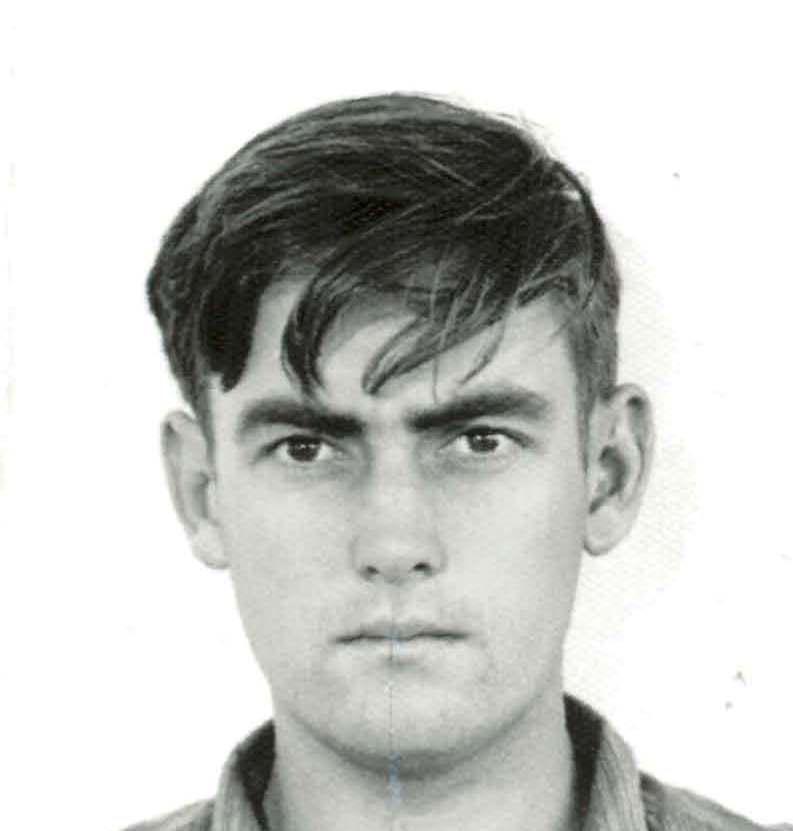 James George Cox
Private
26 June 1967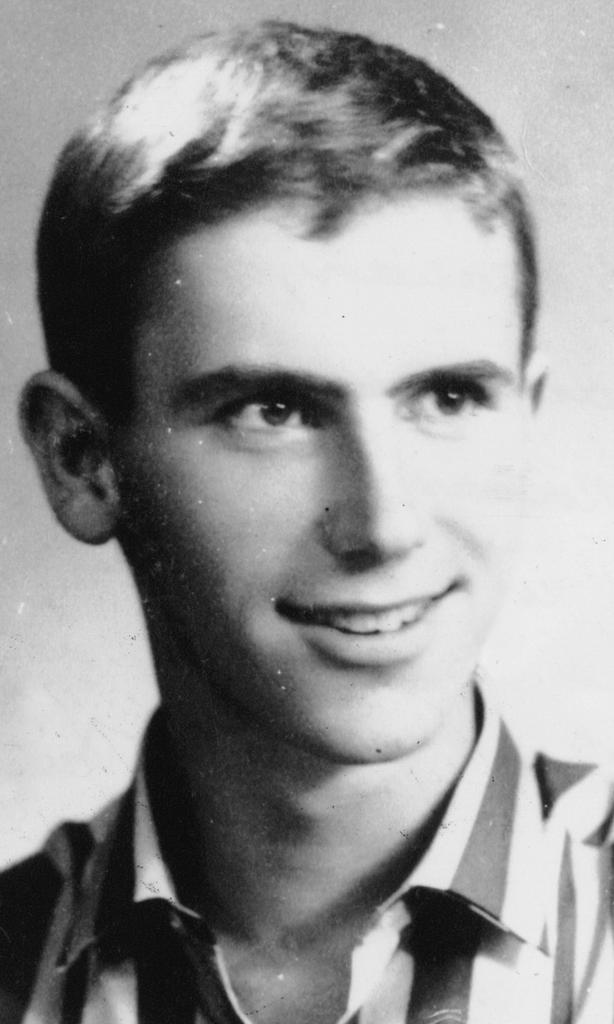 Barleif Alfred Harstad
Private
6 August 1967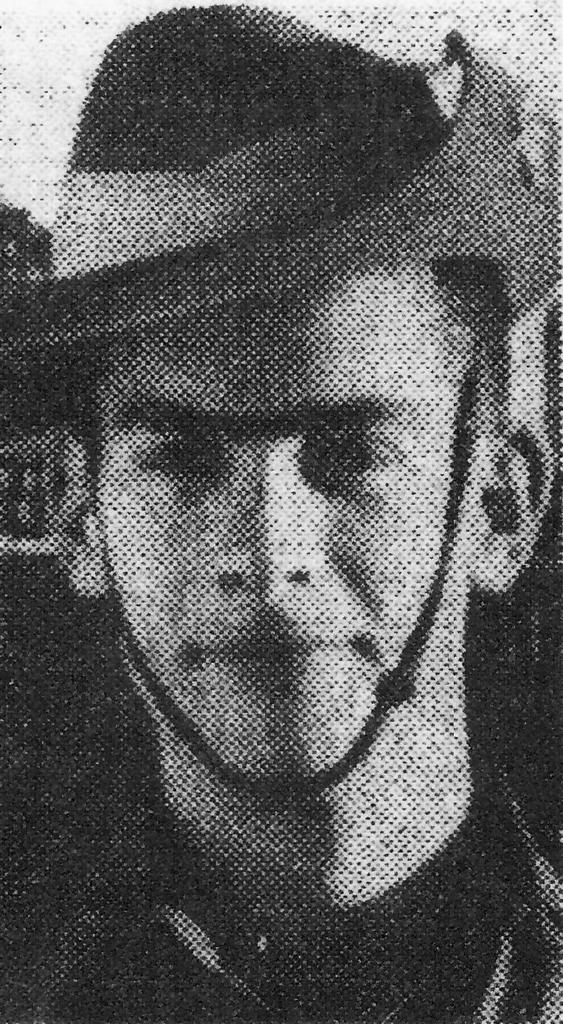 David Geoffrey Milford
Private
6 August 1967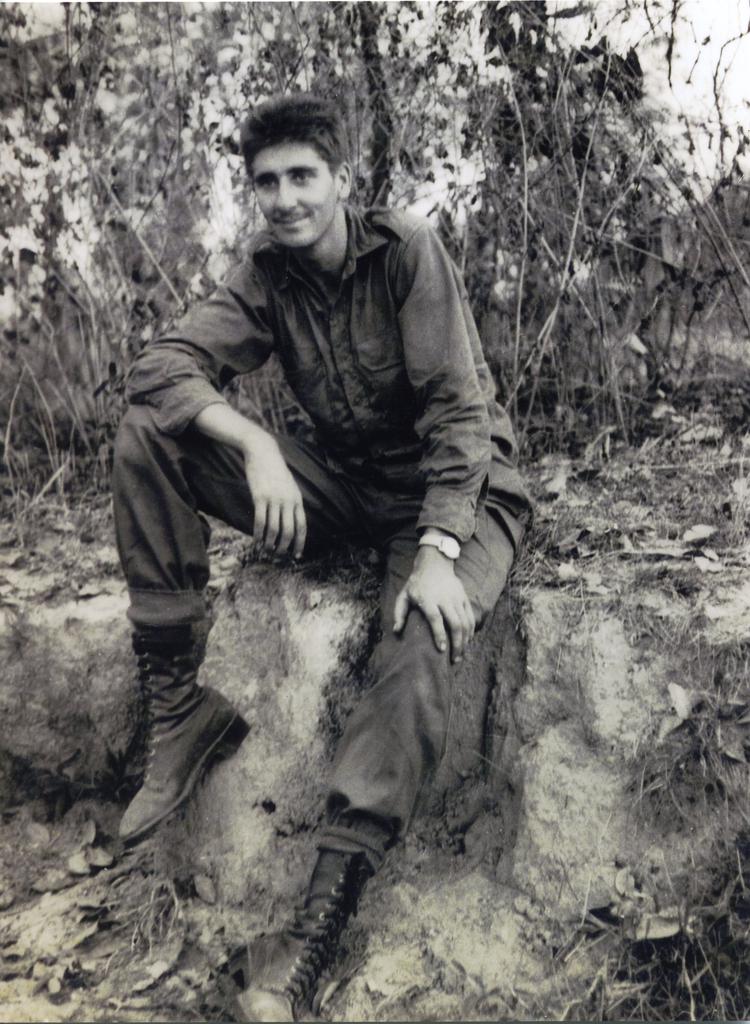 Donald Raymond Aylett
(Temporary) Corporal
6 August 1967 Edward Francis Brophy
Private
6 August 1967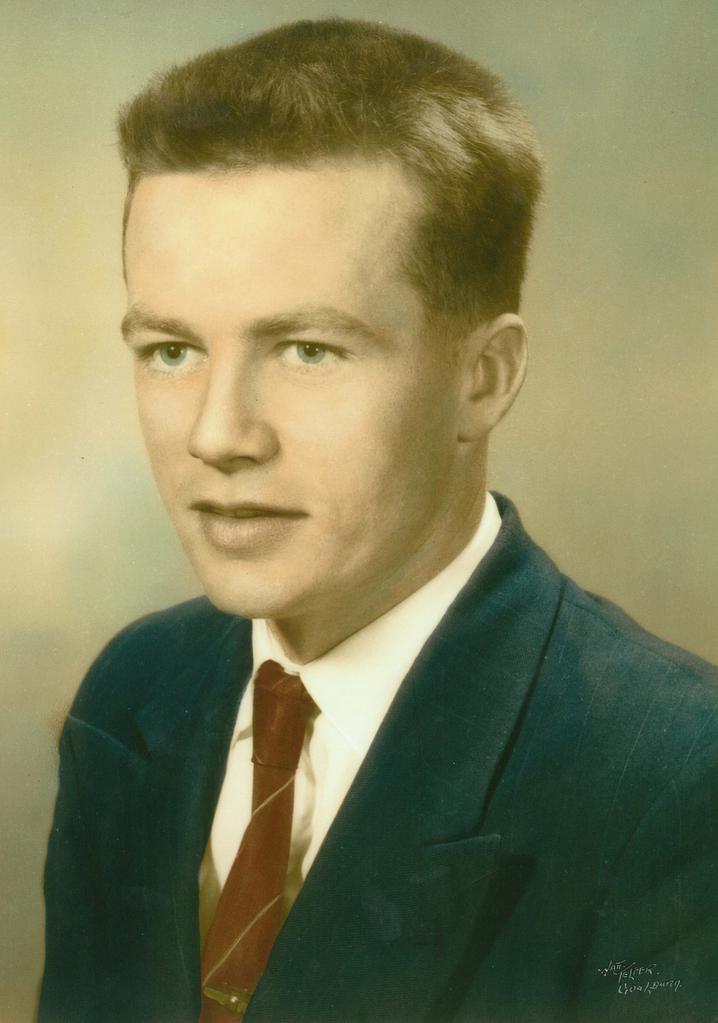 James Francis Hayes
Corporal
6 August 1967 John Martin O'connor
Private
6 August 1967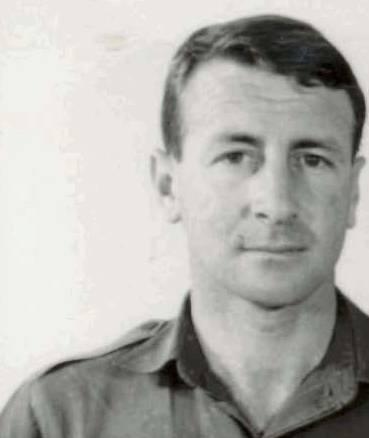 Barry Edmond Fallon
Private
10 November 1967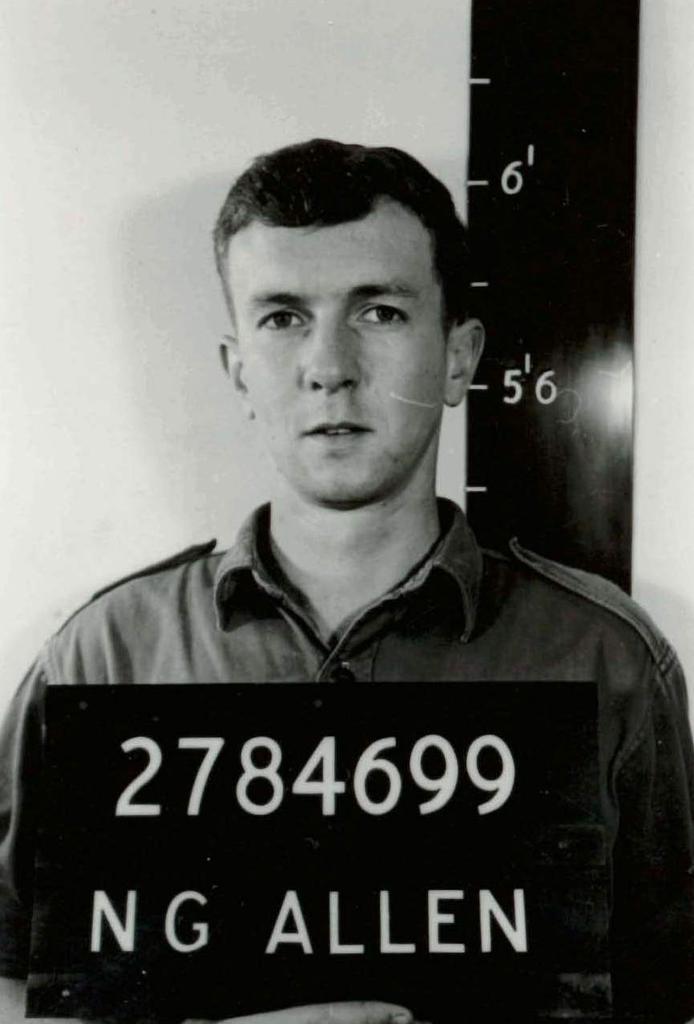 Norman George Allen
Private
10 November 1967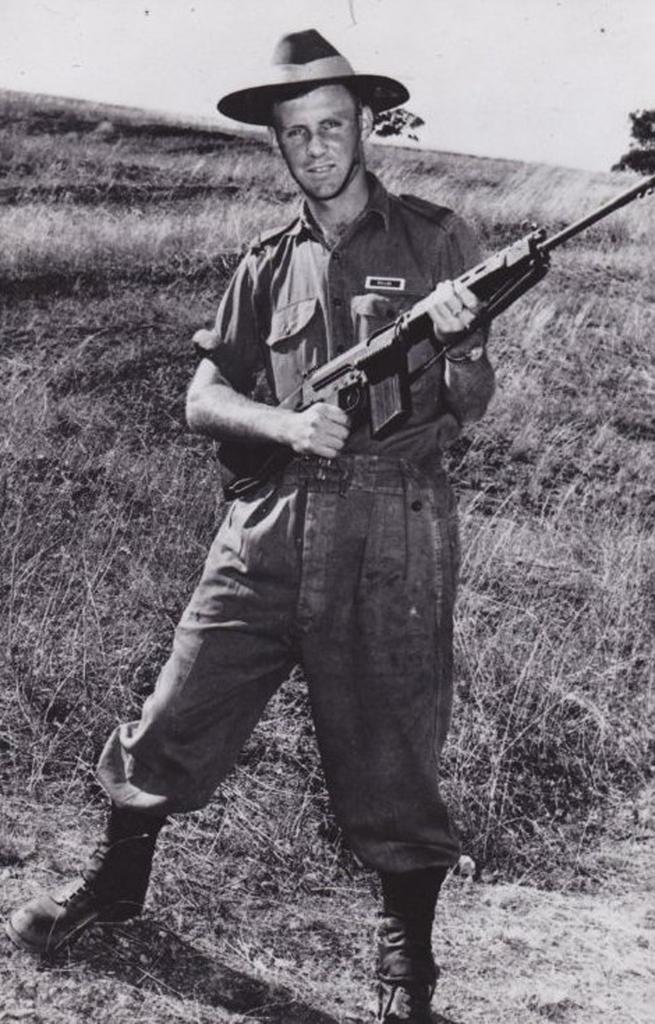 Bryan Thomas Cullen
Private
27 November 1967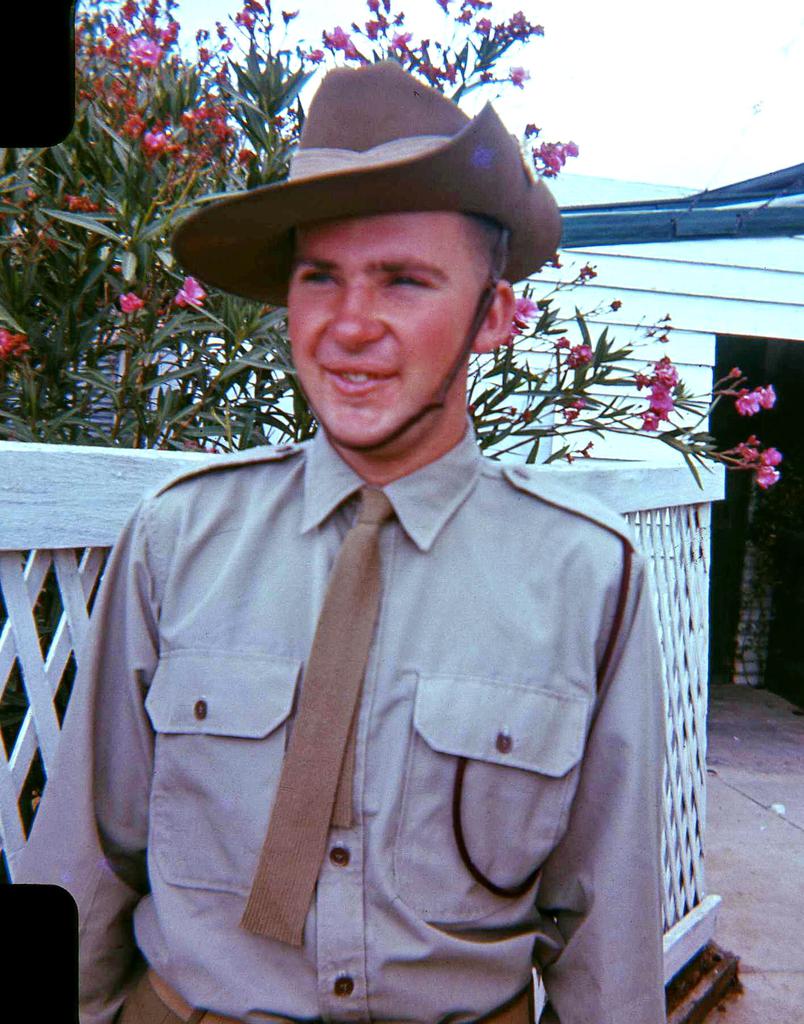 Norman Victor Hawker
Private
27 November 1967 Paul Zigmund Trzecinski
Private
27 January 1968 Walter Johnston Davison
Private
27 January 1968 Alec Ernest James Bell
Private
29 January 1968 Robert Graham Perrin
Private
2 February 1968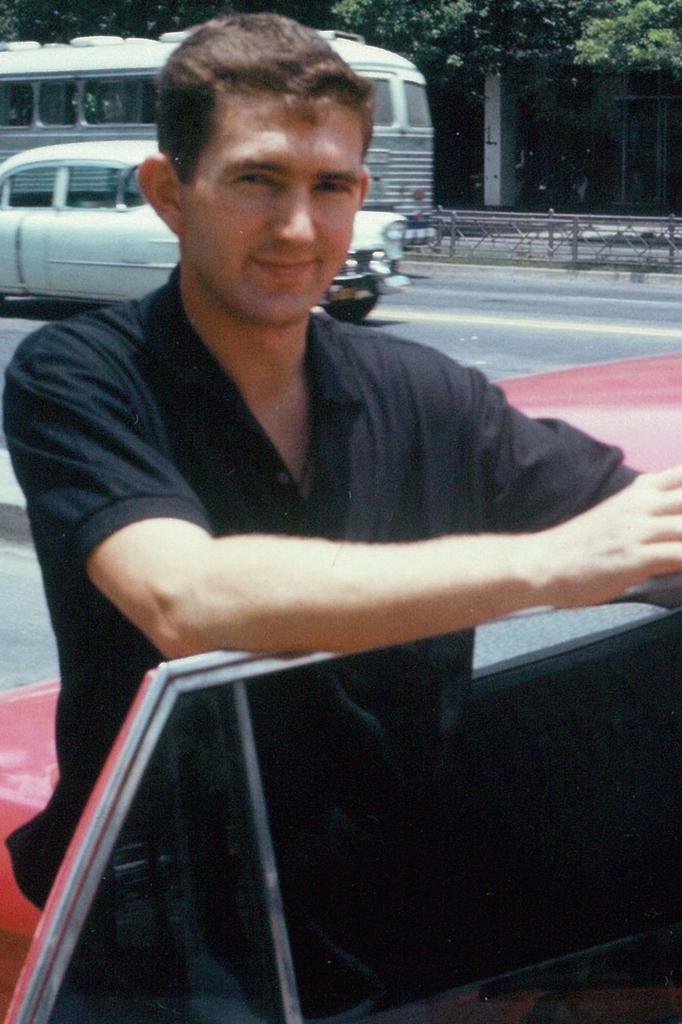 Ross Charles Mcmillan
Lance-Corporal
2 February 1968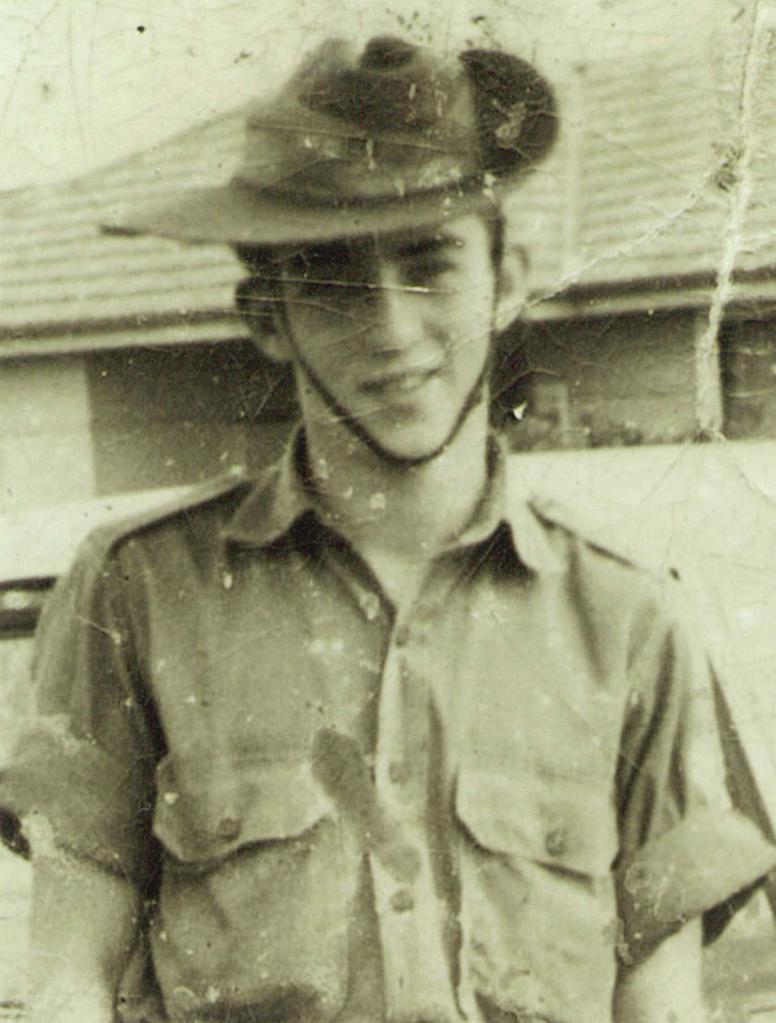 Marvin Walter Ayres
Private
5 February 1968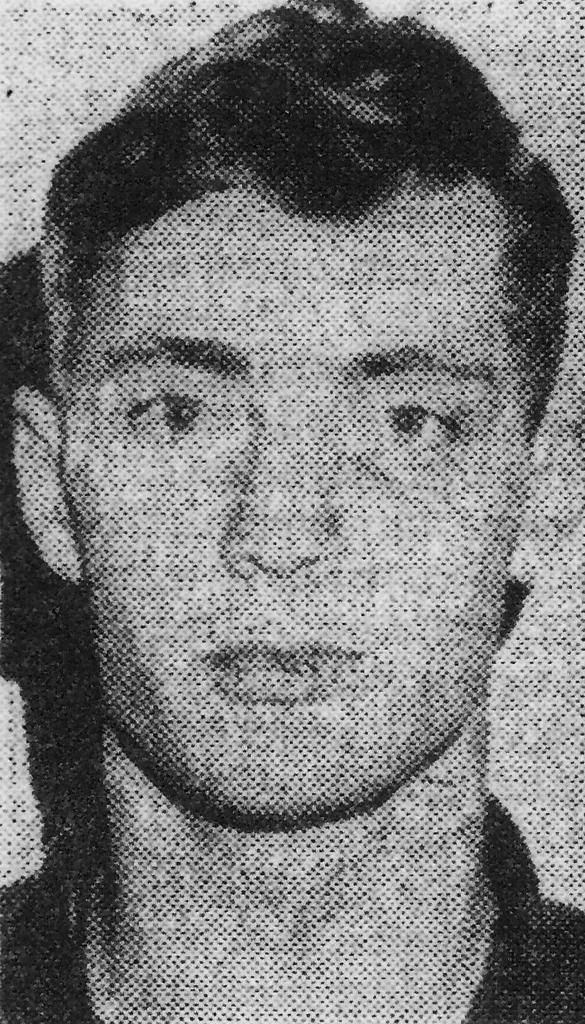 Ronald Keith Smith
Private
3 April 1970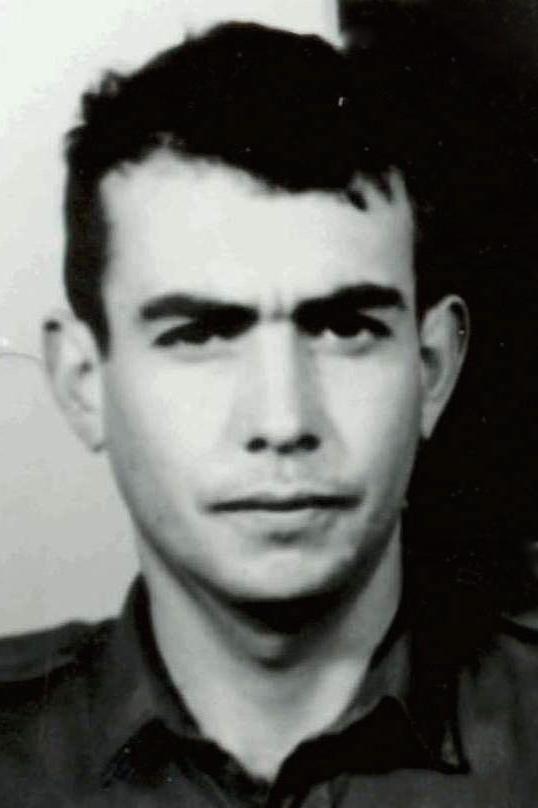 Graham Robert Kavanagh
Private
21 April 1970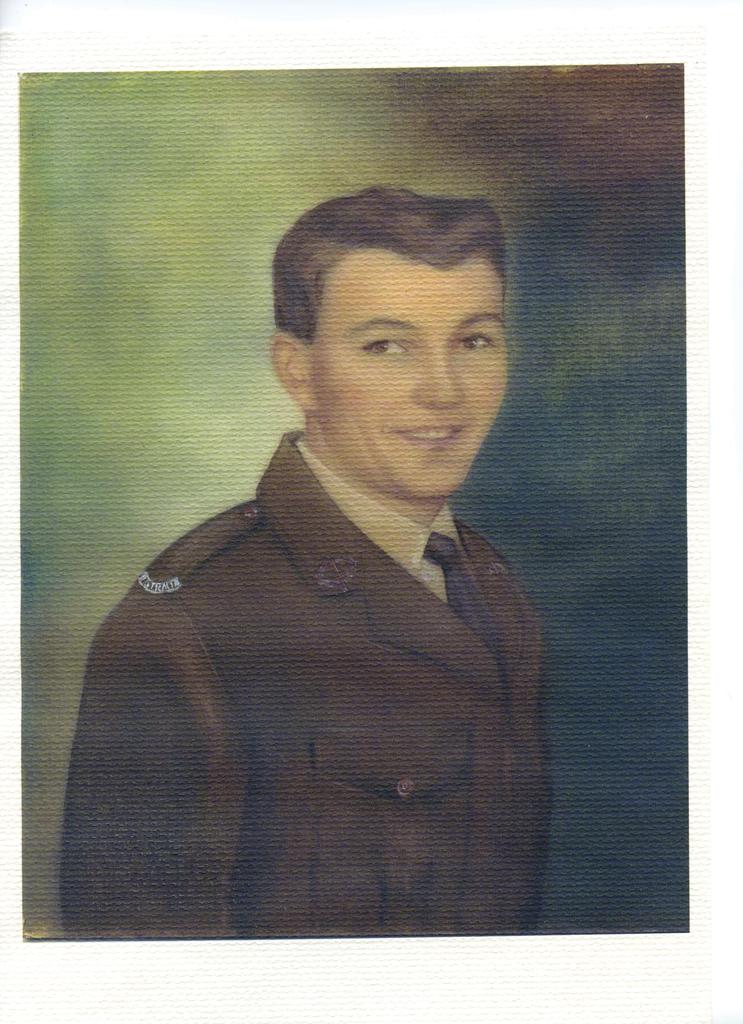 Robert Edward Hughes
Private
22 April 1970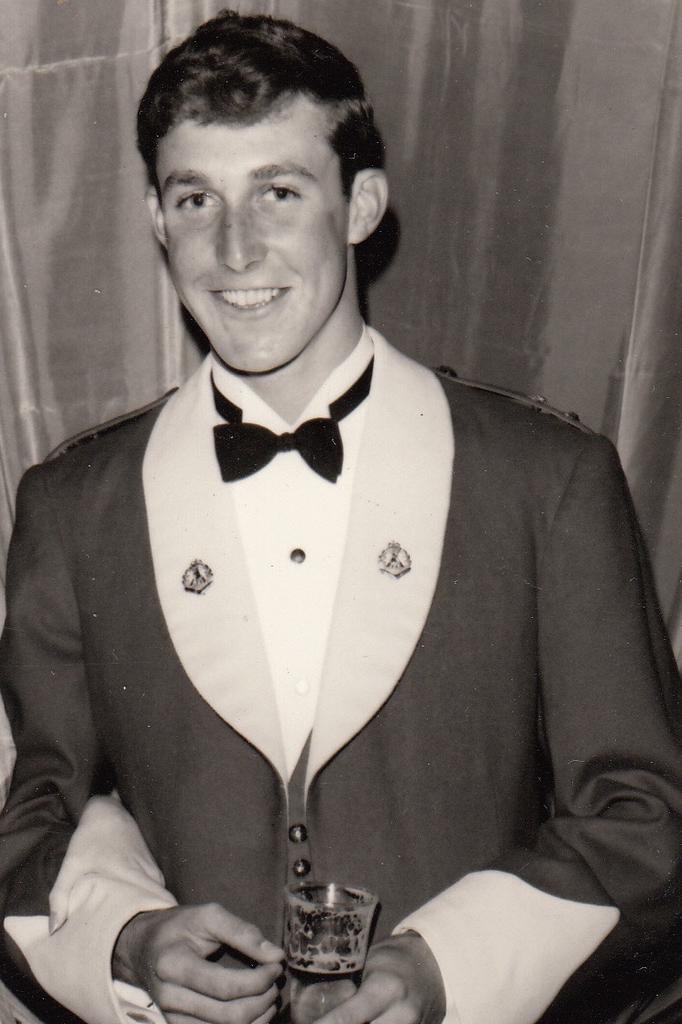 Robin Christiaan Pothof
Lieutenant
26 April 1970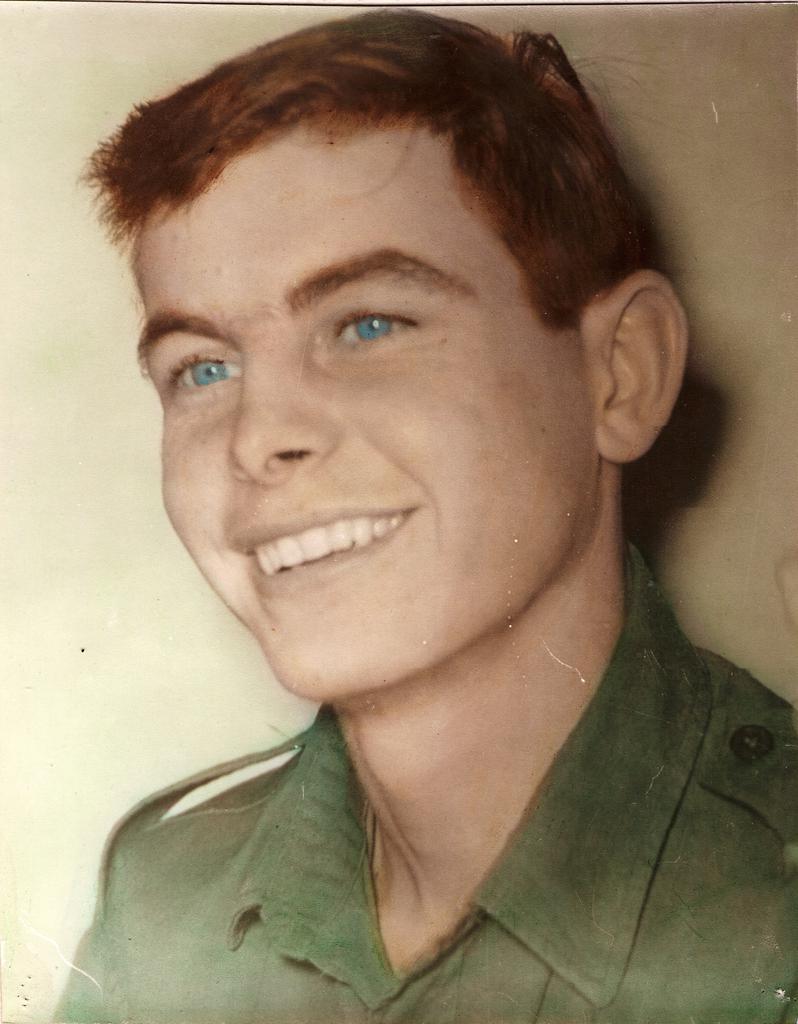 Henry John Stanczyk
Private
30 April 1970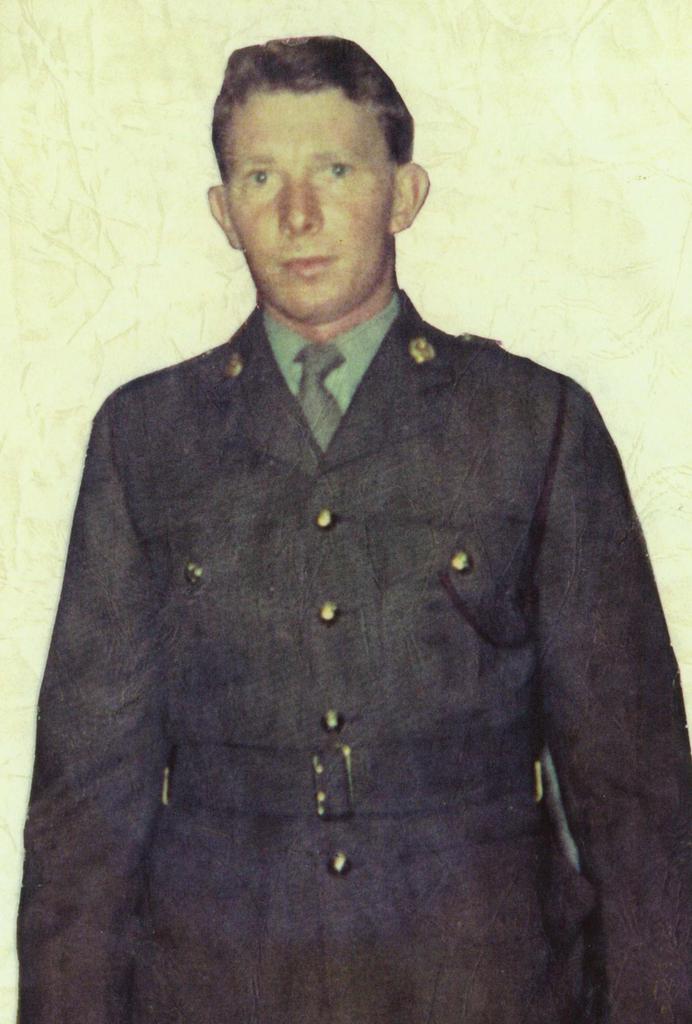 Noel Valintine Crouch
Private
21 May 1970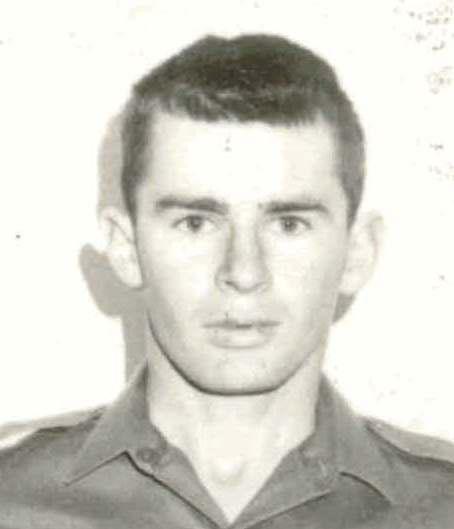 Paul John Navarre
Private
6 June 1970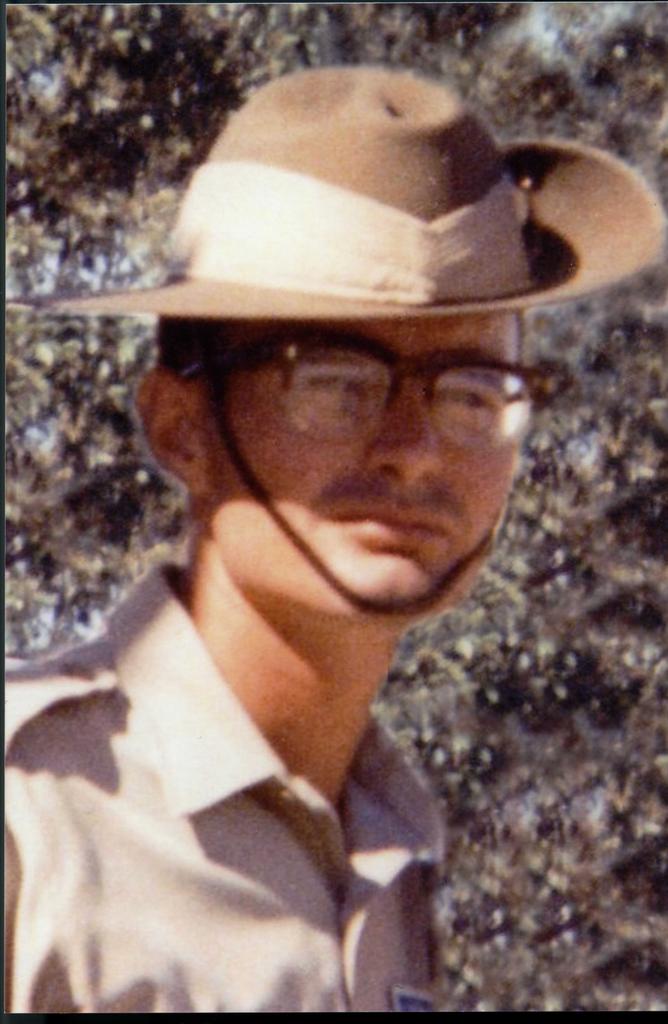 Stanley Gordon Larsson
Private
6 June 1970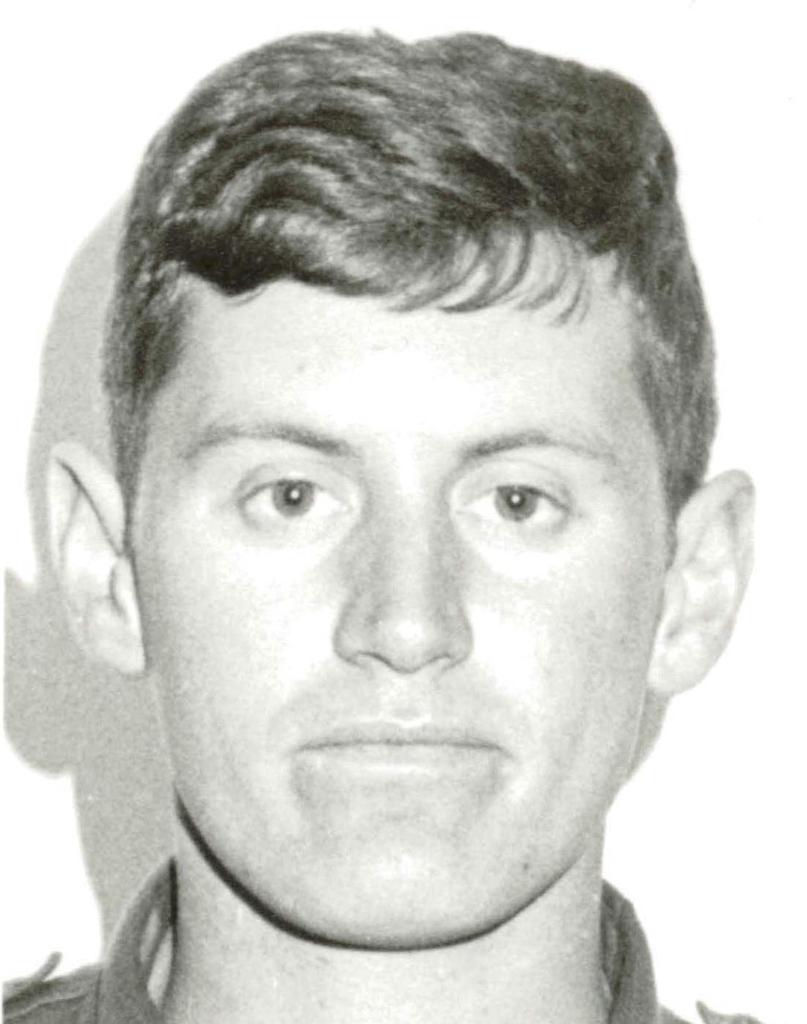 Stephen Warwick Dickson
Private
6 June 1970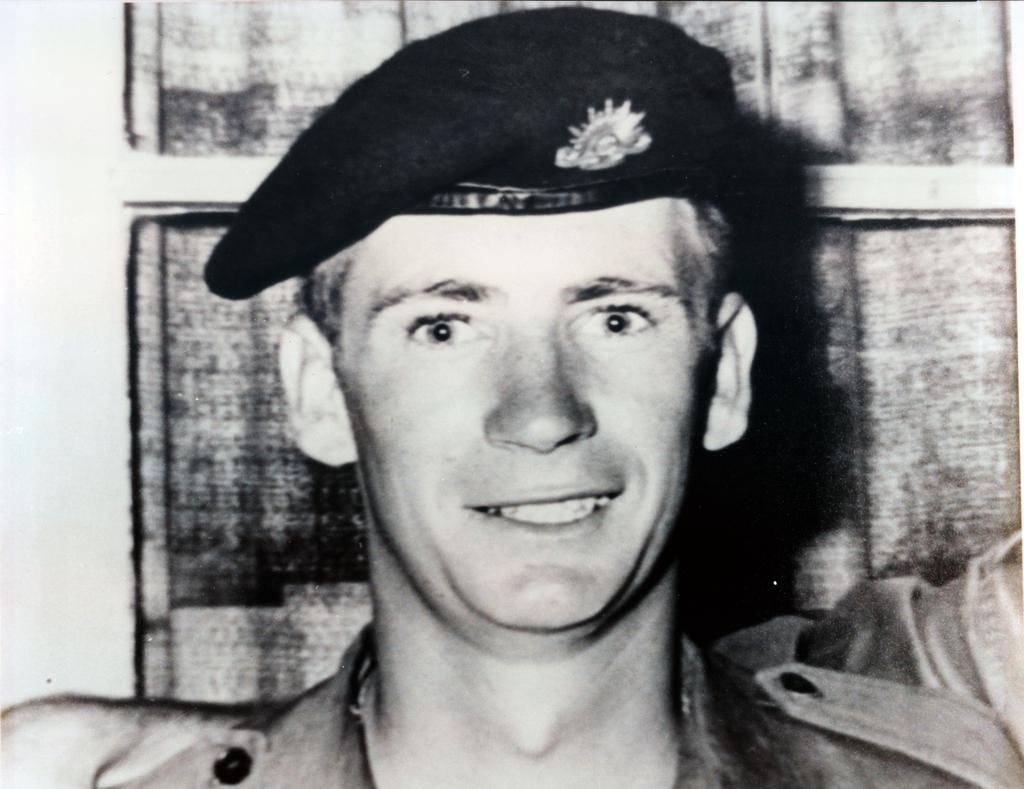 Garry Owen Cashion
Private
16 June 1970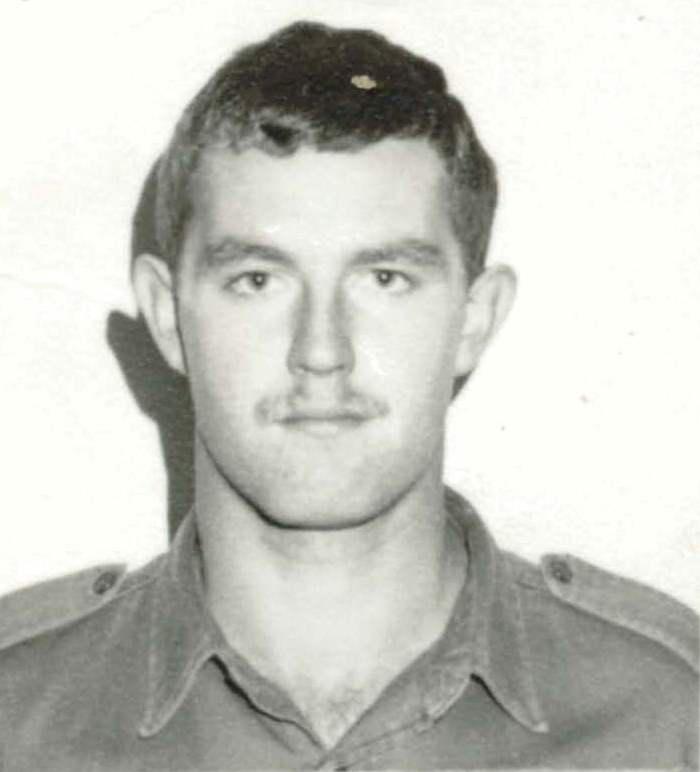 Neil Thomas Richardson
Lance-Corporal
27 August 1970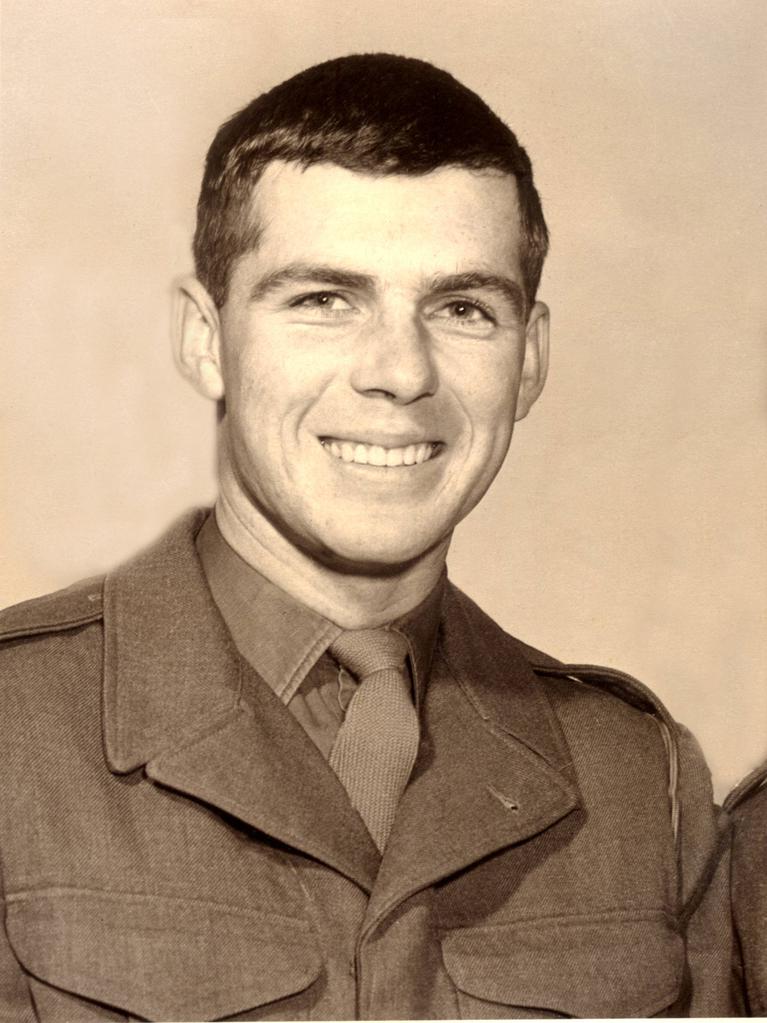 Rex William Davies
(Temporary) Lieutenant
27 October 1970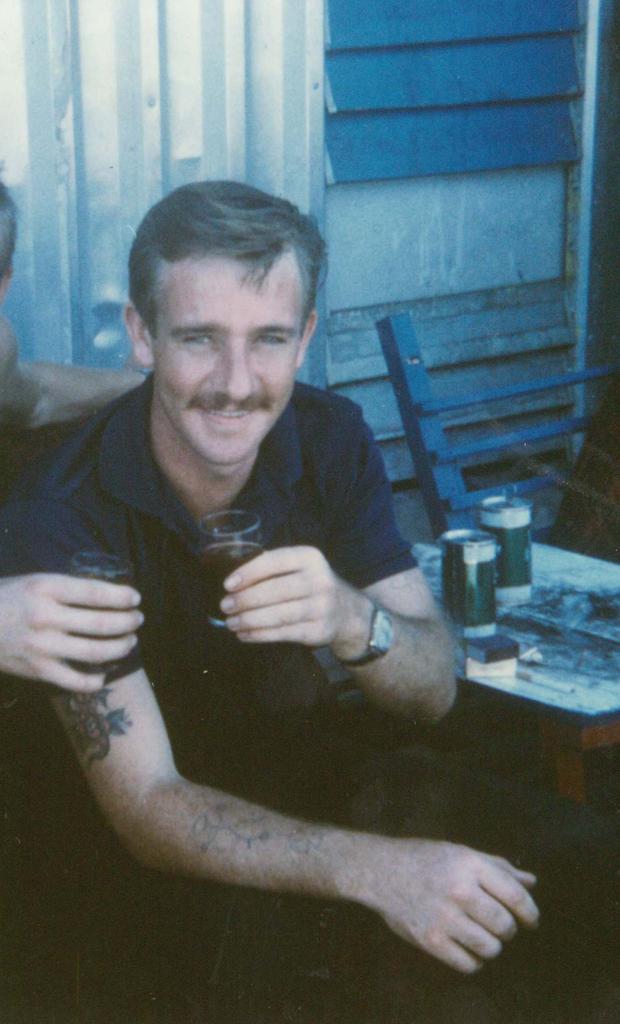 Allan Lloyd
Private
30 December 1970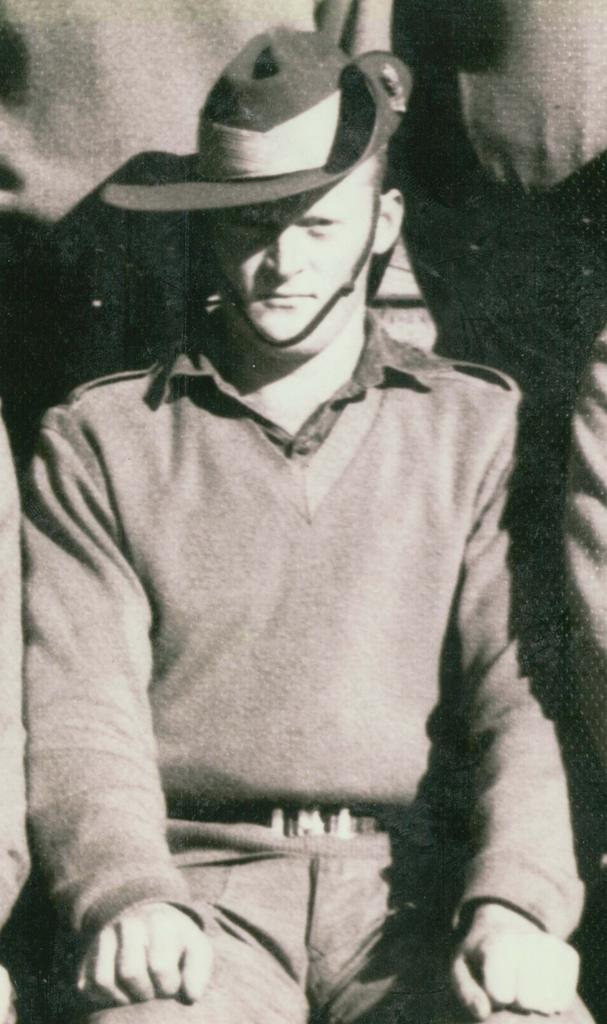 Milton Raymond Dufty
Private
15 January 1971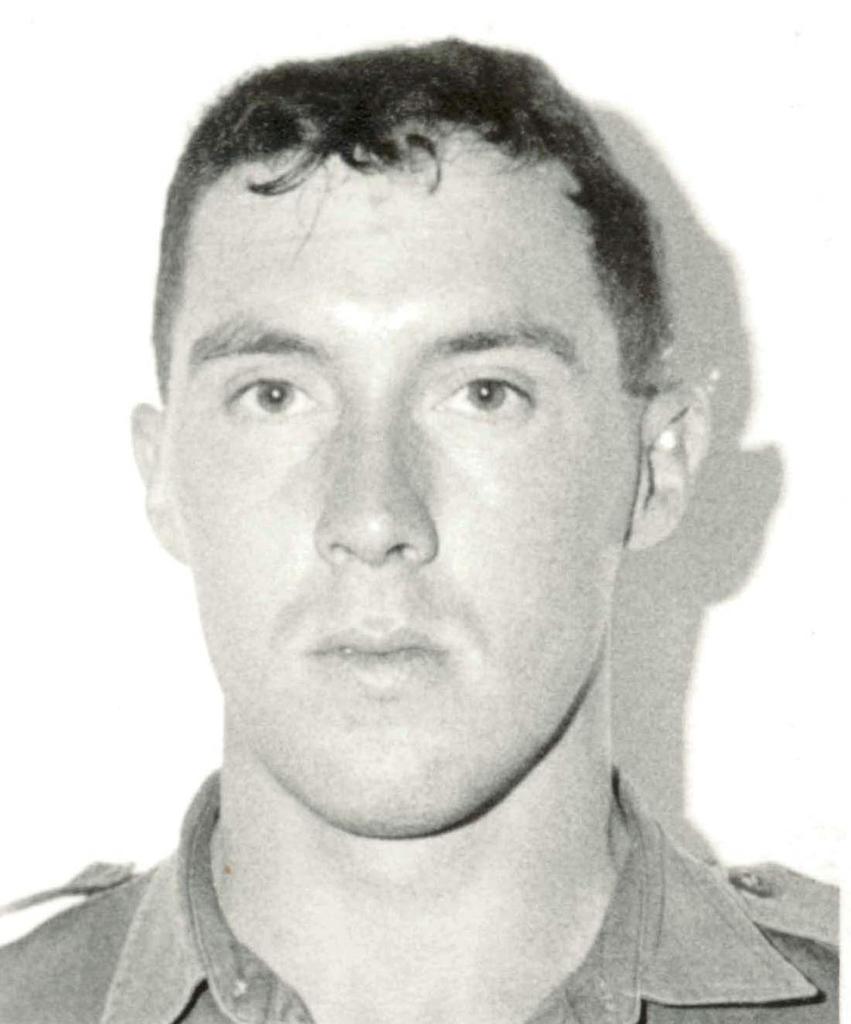 Eric Halkyard
Lance-Corporal
16 January 1971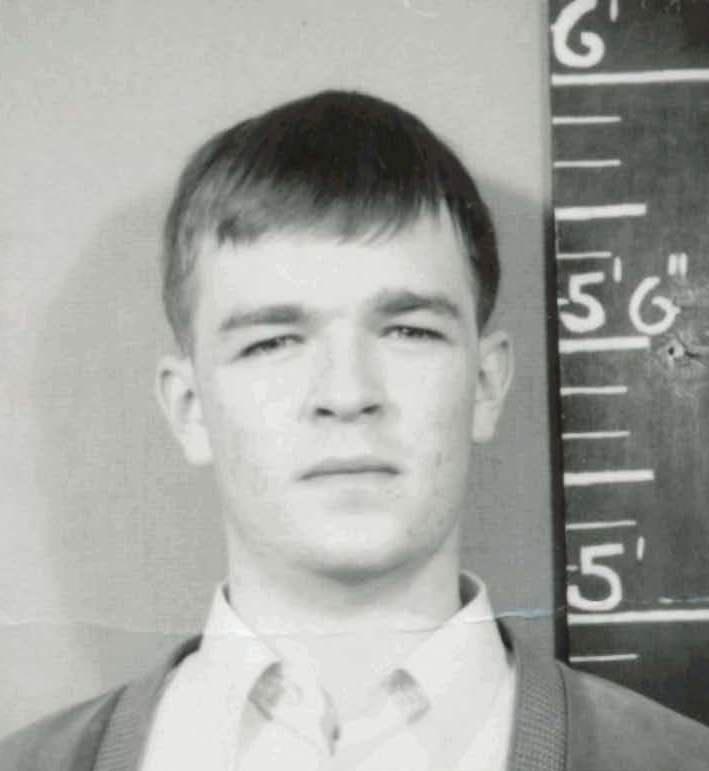 Alan Talbot
Private
1 February 1971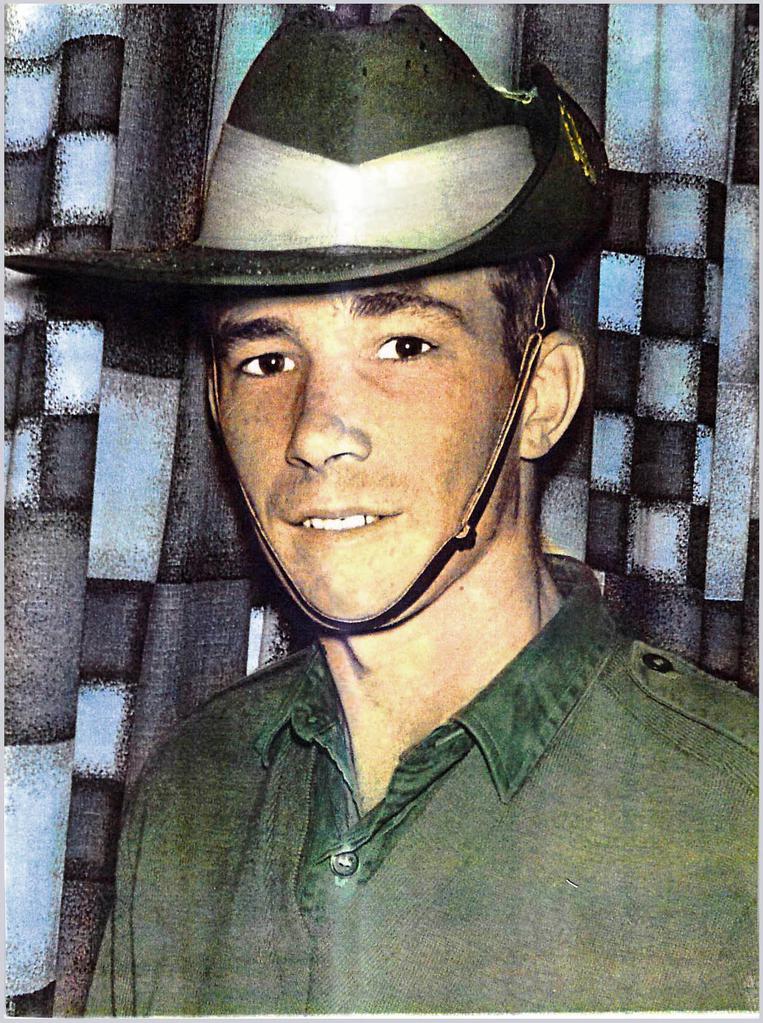 Raymond Brian Patten
Private
6 February 1971
Photographs #
From the site's collection: pictures linked to the unit's contacts, and others taken near them at the time. Each opens on the Battle Map.
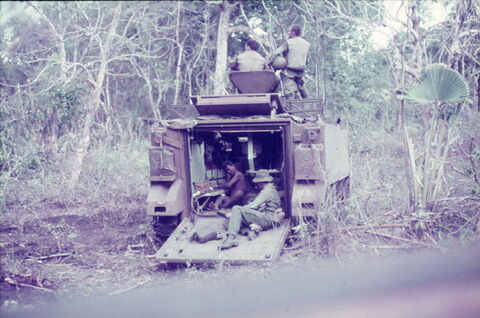 Wounded Prisoner in the back of 22 with Capt Murphy sitting on top Paul Davison
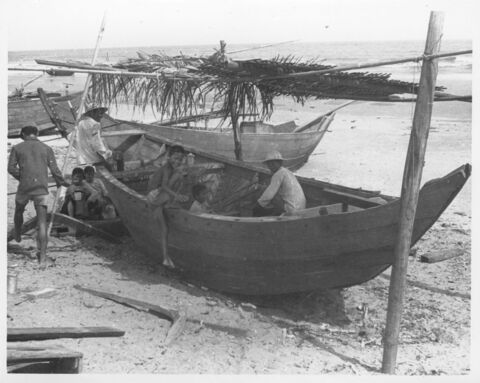 Traditional boat building on the beach in the village of Phuoc Hai (also known as Lang Phuoc Hai) 1 May 1970
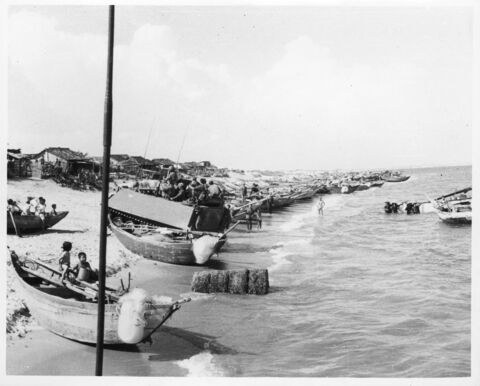 Traditional Fishing boats drawn up on beach at Phuoc Hai village 1 May 1970
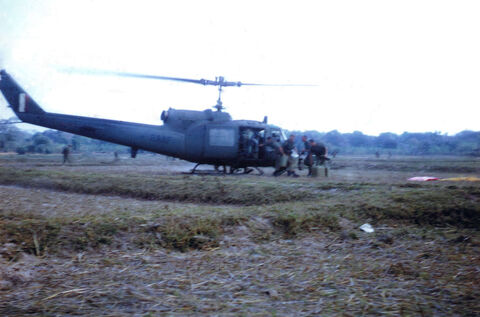 B Coy 5 R.A.R. water resupply by R.A.A.F. UH-1B Iroquois south-east Dat Do early morning 5.4.67 errol999, 5 April 1967
- B Coy 5 R.A.R. water resupply by R.A.A.F. UH-1B Iroquois south-east Dat Do early morning 5.4.67 errol999, 5 April 1967
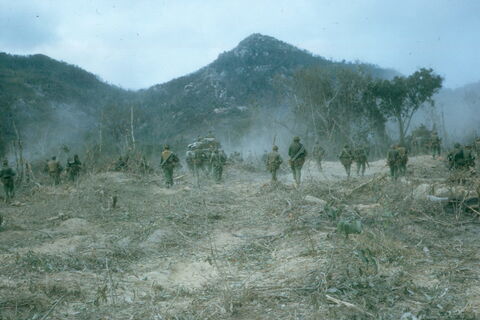 C Company 8 RAR assaulting into an enemy bunker system in the foothills of the Long Hais (Minh Dam Secret Zone) shortly after a B52 strike had hit the system. Rod Simpson, 22 February 1970
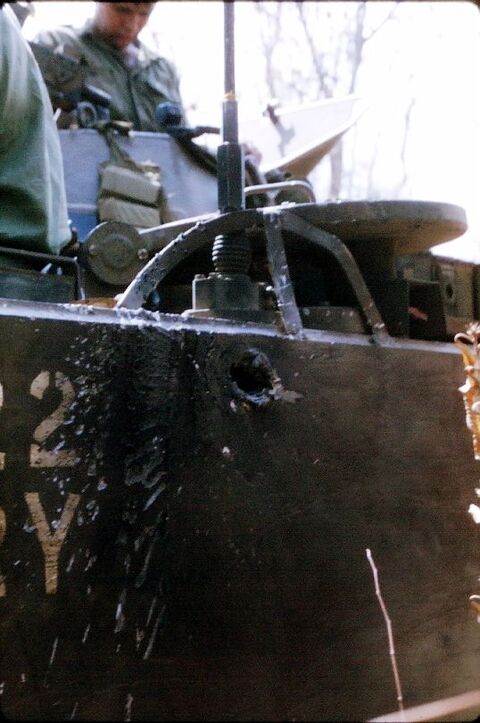 RPG Damage to 22A and Crew being Casvaced Paul Davison, 18 February 1970
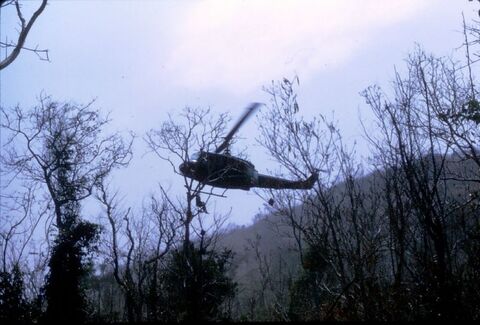 RPG Damage to 22A and Crew being Casvaced Paul Davison, 18 February 1970
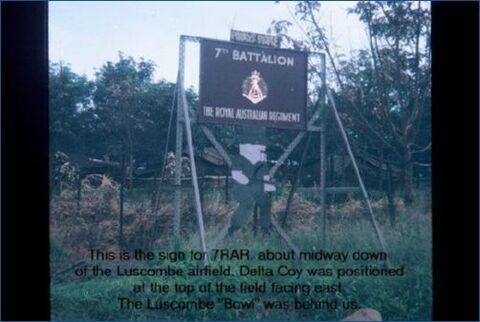 Company Sign Ern arshall, 1 July 1967
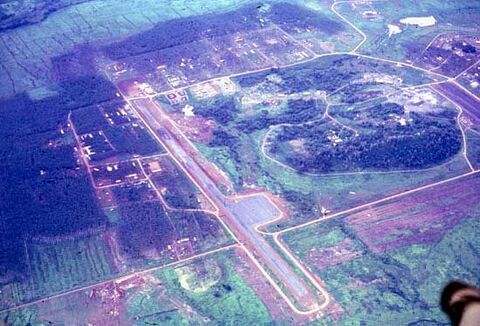 Nui Dat looking from North West to south east over Luscombe Field 1 February 1968
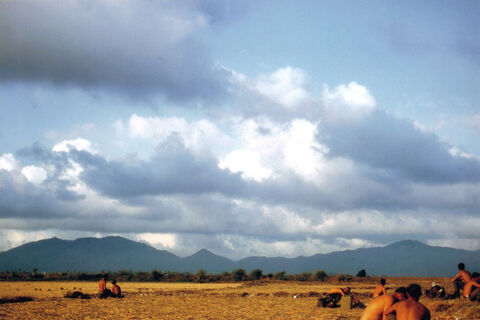 The Long Hai Hills viewed from immediately south of Xa Phuoc Loi during breakfast in the fenced minefield 6 Pl 5 RAR 8.4.67 errol999, 8 April 1967
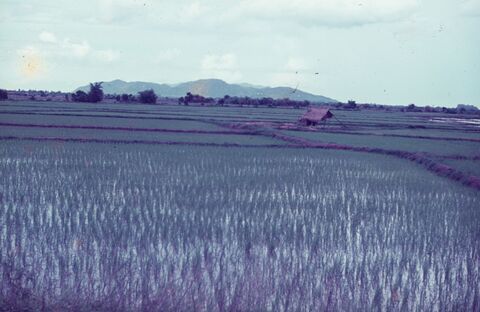 Looking west from Hoa Long road to Baria over half grown rice paddies 6 May 1970
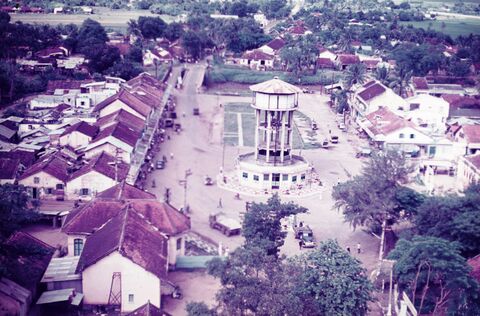 Aerial view of Baria (Phuoc Le) water Tower looking west. 1 June 1970
Sources #
- Tours and arm: the Australian War Memorial's record of the unit.
- Contacts: the Battle Map's records of 401 contacts, each report citing the archival source (most often the commanders' diaries, AWM95).
- The dead: the honour roll, with tours of duty from the nominal roll.
- Helicopter missions: No. 9 Squadron RAAF's unit history sheets (National Archives of Australia, A9186, 736), read into the Battle Map's records, with each report's summary written by an AI model (Claude).
- Summaries of the reports: written by an AI model (Claude) from the reports, and reviewed.